Wellness and Beauty Website Design Trends in 2026
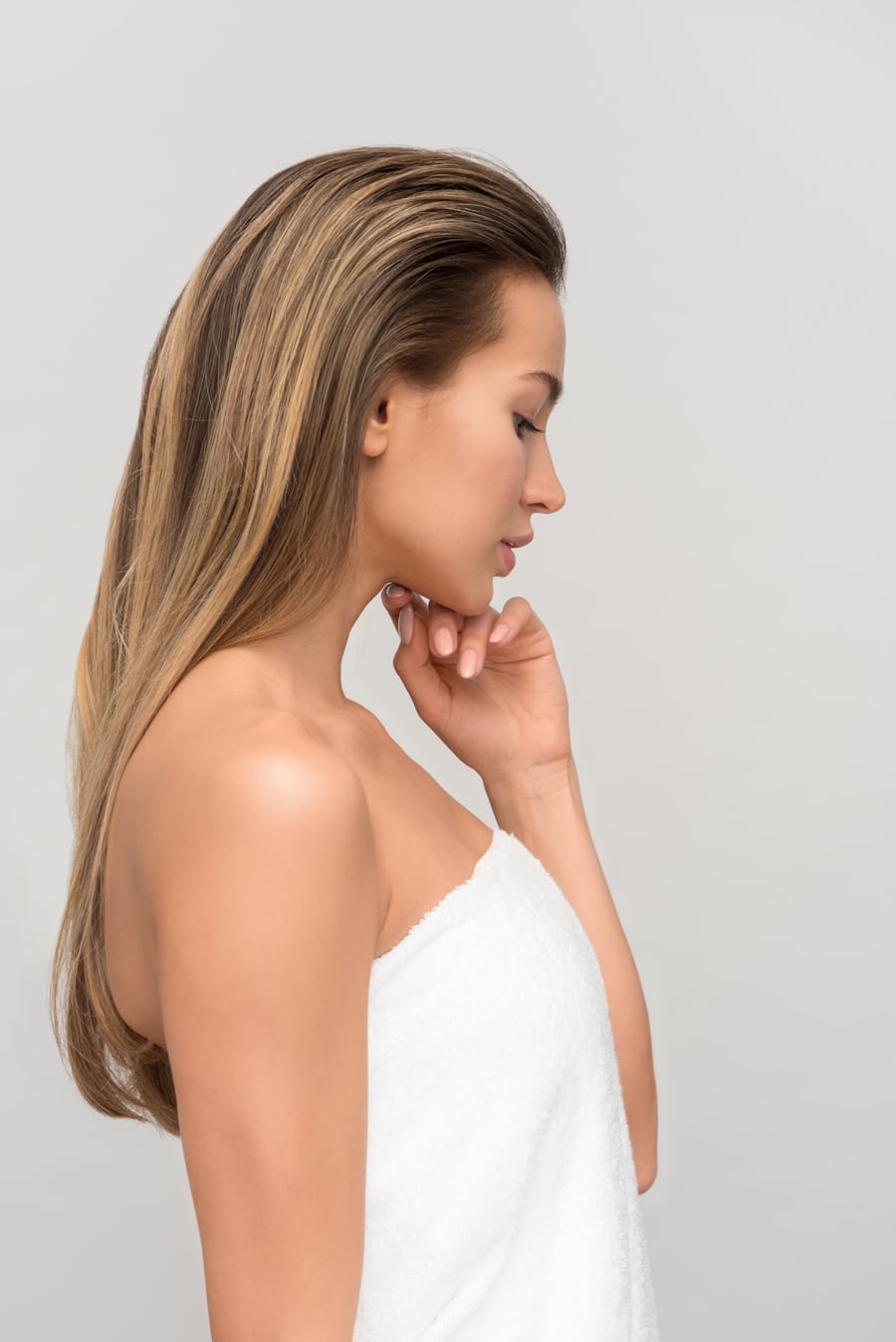
Wellness and beauty website design in 2026 is shaped by a fundamental tension: the client expects to feel something before they book. A spa website, a beauty clinic page, or a skincare brand's digital presence does not succeed by presenting information — it succeeds by creating an emotional response that positions the brand as the answer to something the visitor already wants. Understanding this distinction shapes every design decision, from color palette to typography to booking flow placement.
The Aesthetic Language of Wellness Brands
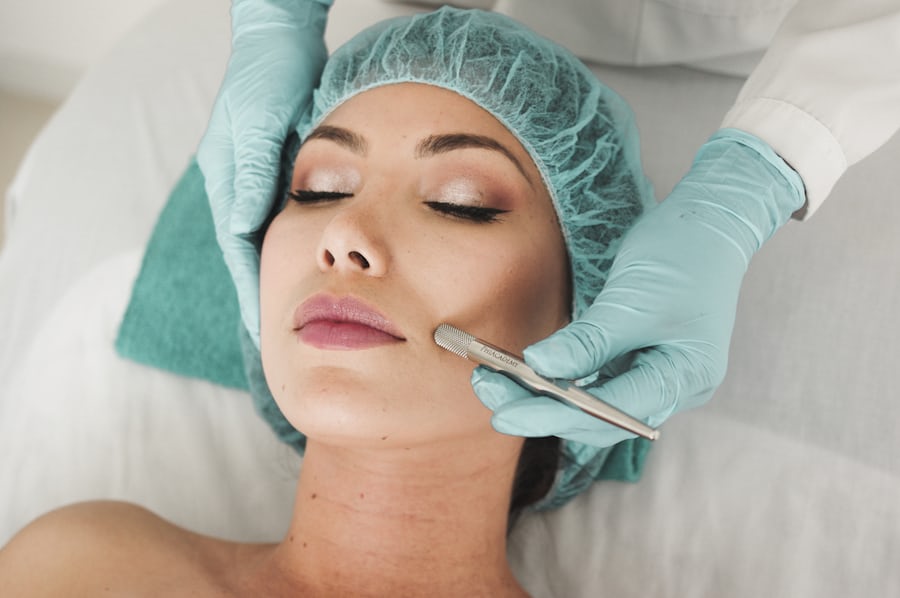
The visual language of wellness in 2026 has fragmented beyond the neutral-and-beige minimalism that dominated the previous decade. Three distinct aesthetic directions have emerged: soft maximalism (layered textures, organic forms, earthy rich palettes), clinical precision (white space, monochromatic, pharmaceutical-adjacent typography), and botanical naturalism (plant-forward imagery, muted greens, paper textures). The most common mistake is mixing signals from multiple aesthetics — a botanical header with clinical sans-serif body text and a luxury-hotel booking widget creates visual incoherence that undermines the brand promise.
Coherent aesthetic signal is not about choosing the most beautiful option in each design decision — it is about choosing the option that is most consistent with the others. A soft-serif headline on a warm-beige background paired with hand-drawn floral dividers communicates a consistent botanical-naturalist sensibility. Swapping the serif for a geometric sans disrupts the emotional logic of the page, even if the sans is technically more legible.
Color and Typography for Beauty Websites

Color temperature is the primary decision in beauty and wellness palette selection. Warm palettes (cream, terracotta, aged gold, deep blush) signal indulgence, comfort, and sensory experience — appropriate for spas, retreat centers, and luxury beauty brands. Cool palettes (sage green, dusty blue, ice white, muted lavender) signal clinical efficacy, purity, and science-backed ingredients — appropriate for dermatology-adjacent skincare brands, medical spas, and wellness clinics. The palette choice should match the brand promise, not simply the designer's preference for a particular color family.
Typography in beauty websites operates differently than in corporate or agency design. The primary typeface is often doing emotional work — a high-contrast serif with fine hairline weights signals luxury, a rounded humanist sans signals approachability and naturalness, a geometric light-weight sans signals precision and modernity. In beauty website design, the body text does not need to be the hero: a restrained, highly legible body typeface paired with an expressive display typeface typically performs better than attempting to use a distinctive typeface at every scale.
Booking and Conversion UX
The booking conversion funnel in wellness and beauty differs from ecommerce in one critical way: the visitor is not comparing products, they are evaluating trust. Before clicking a booking button, a potential client needs to believe the brand is legitimate, the experience will match the visual promise, and the process of booking is not going to be complicated. The design job is to address all three without interrupting the emotional journey.
Booking button placement in wellness sites follows a different pattern than typical conversion rate optimization advice for SaaS or ecommerce. An above-the-fold booking CTA can feel aggressive in a spa context — the visitor has not yet been introduced to the experience. A more effective pattern puts the booking CTA after the primary imagery and emotional positioning (typically 30–50% of the page), with a persistent header CTA that does not assert itself visually until the visitor has scrolled. Social proof — real client testimonials with faces, not generic star ratings — placed before the booking CTA consistently improves conversion in this category.
Mobile-First for Beauty Clients
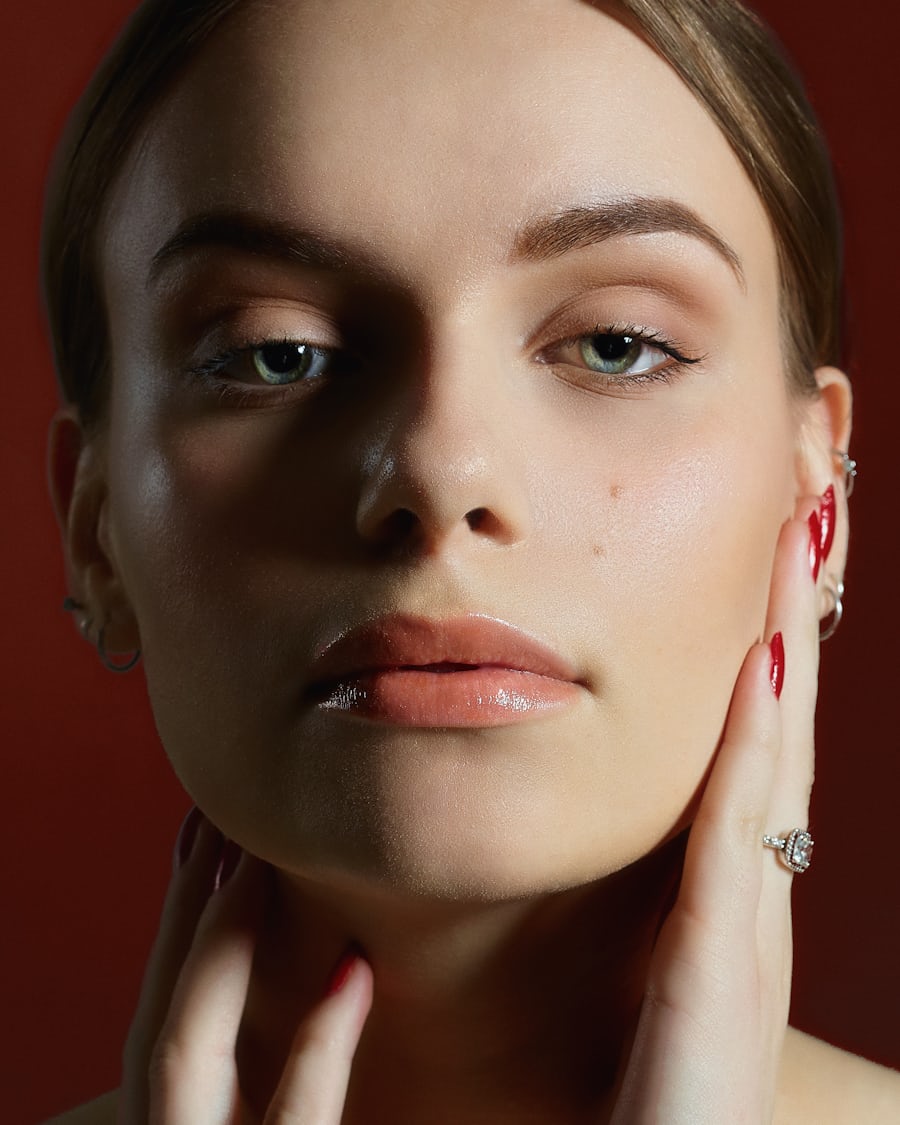
Beauty and wellness is one of the most mobile-dominant verticals in local services. Research consistently shows 70–80% of initial visits to spa, salon, and beauty brand websites originate on mobile devices. Designing for mobile-first is not an accessibility consideration in this category — it is designing for the primary use case.
Mobile design in wellness requires particular attention to imagery handling. The large hero images that anchor beauty website aesthetics on desktop become slow-loading obstacles on mobile if not properly managed. Next.js Image with responsive sizing and WebP conversion is the correct technical solution — but the design decision about which images to show at mobile aspect ratios, and how to crop them, is equally important. A portrait-oriented crop of a spa treatment image that communicates intimacy on mobile is a different composition from the wide establishing shot that works on desktop.
Best Website Templates for Wellness Brands in 2026
Template selection for wellness and beauty has a narrow set of non-negotiable criteria: imagery-forward layout (the template must be built to showcase photography, not compete with it), appropriate typographic defaults (a tech-forward geometric sans is the wrong starting point for a luxury spa), mobile performance (Lighthouse 90+ on mobile, not just desktop), and a booking or contact flow that does not require a third-party plugin that adds load overhead.
Wellness & Beauty Themes
Next.js themes built for wellness and beauty brands
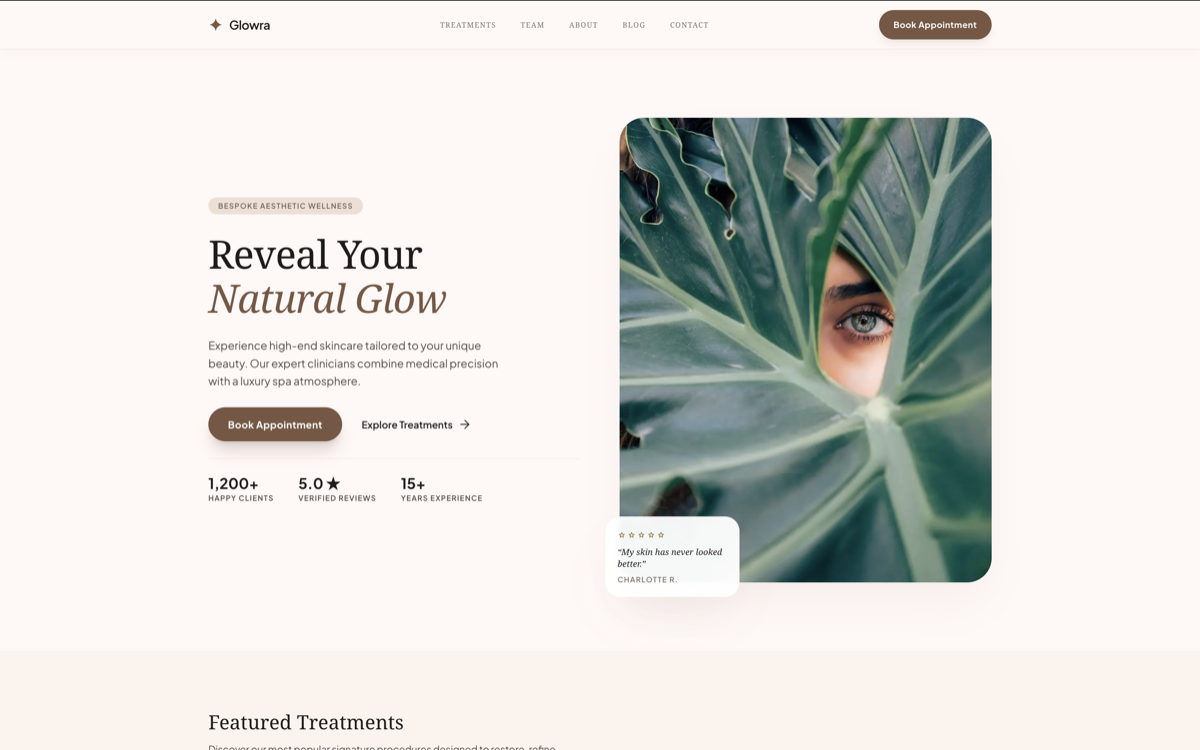
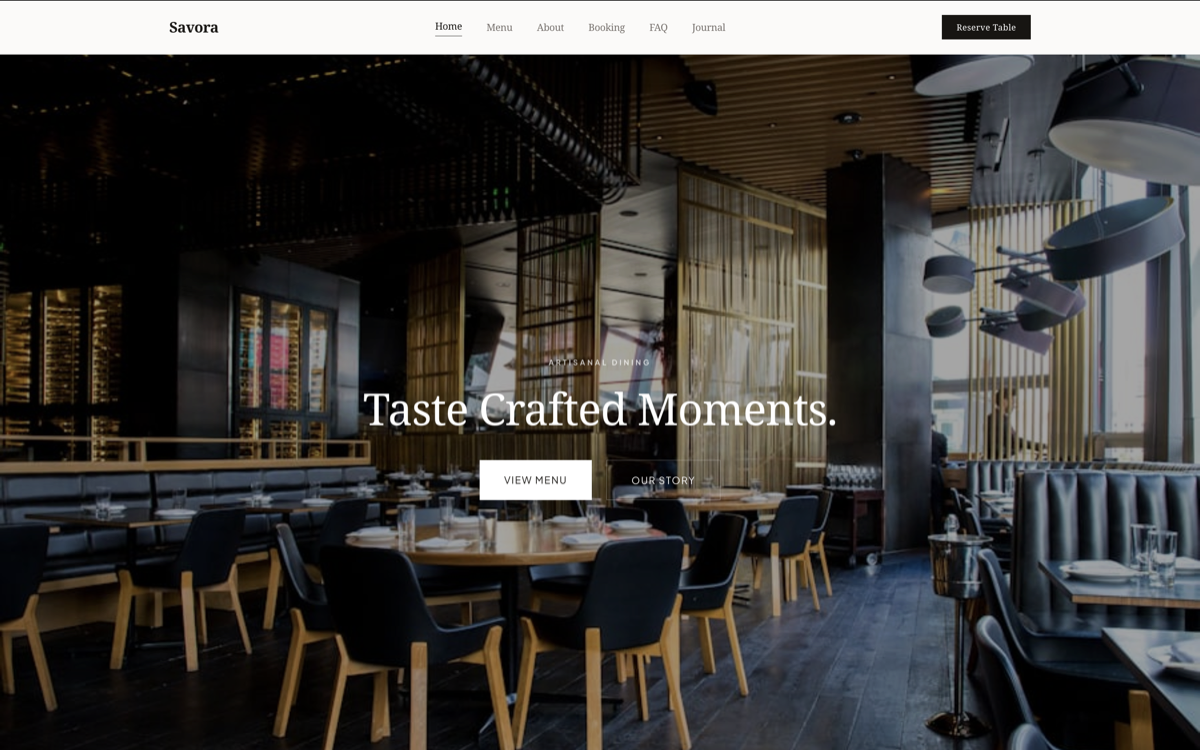
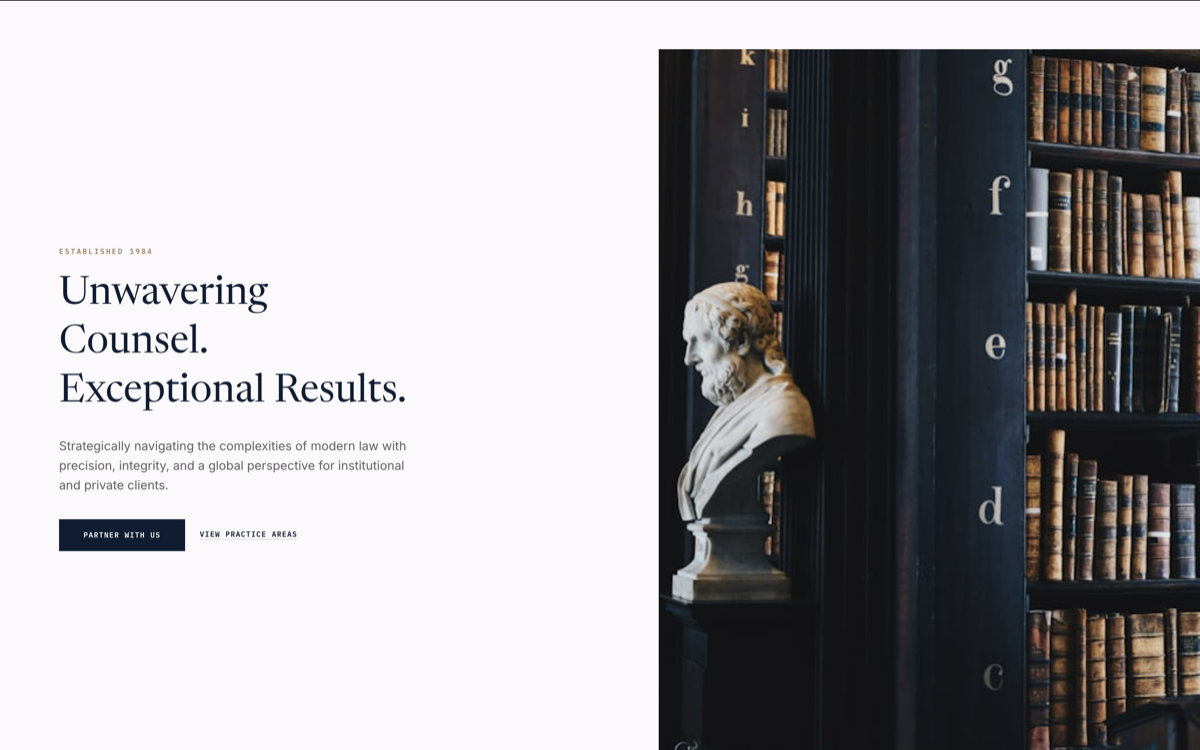
Nura, Glowra, Savora, and Lexora — each purpose-built for a specific wellness or beauty positioning, with palettes, typography, and layouts suited to the category.
BROWSE ALL THEMESarrow_forward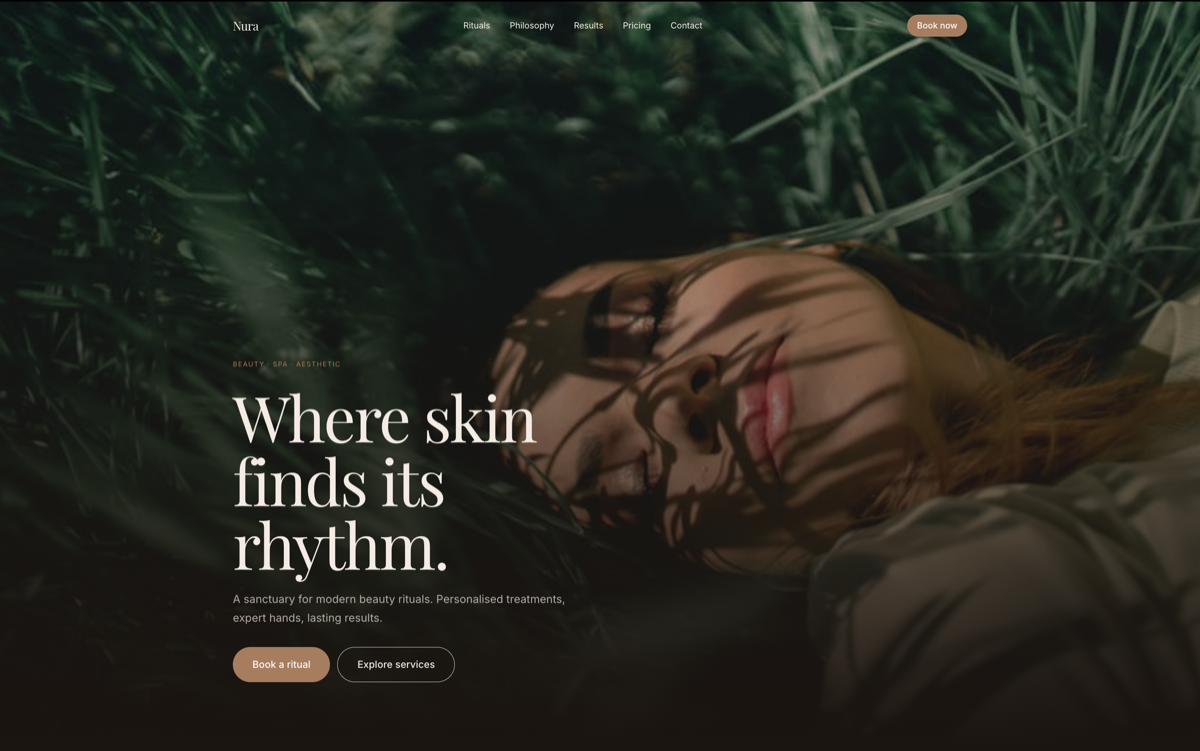
“A wellness website does not persuade — it reassures. Every design decision should reduce the distance between what the visitor wants to feel and what the brand can provide.”