Choosing the Right Website Theme for Your Business
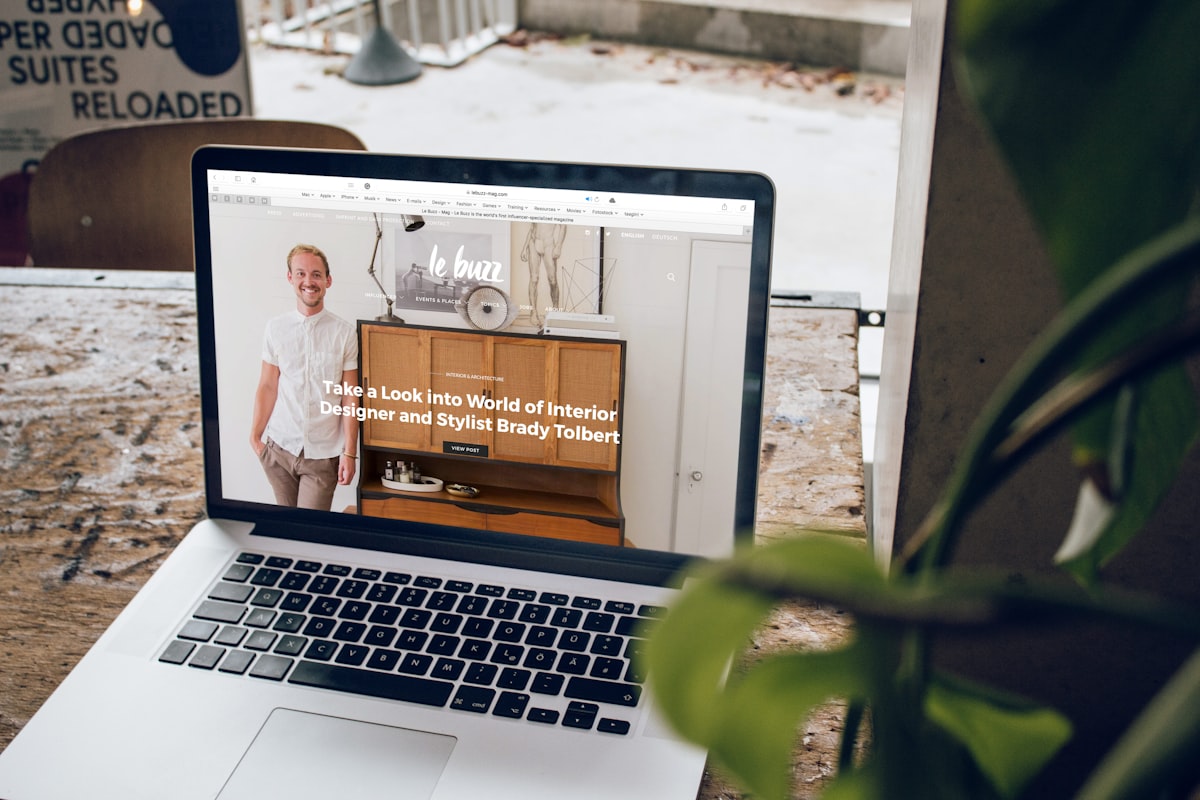
The first interaction most potential customers have with a business isn't a storefront, a sales call, or a product demo — it's a website. This first digital impression is processed almost entirely through visual and experiential cues before a single word of copy is read. The quality, consistency, and feeling of the design establishes whether the visitor will stay or leave within the first 50 milliseconds.
Your Website Is Your Digital Brand
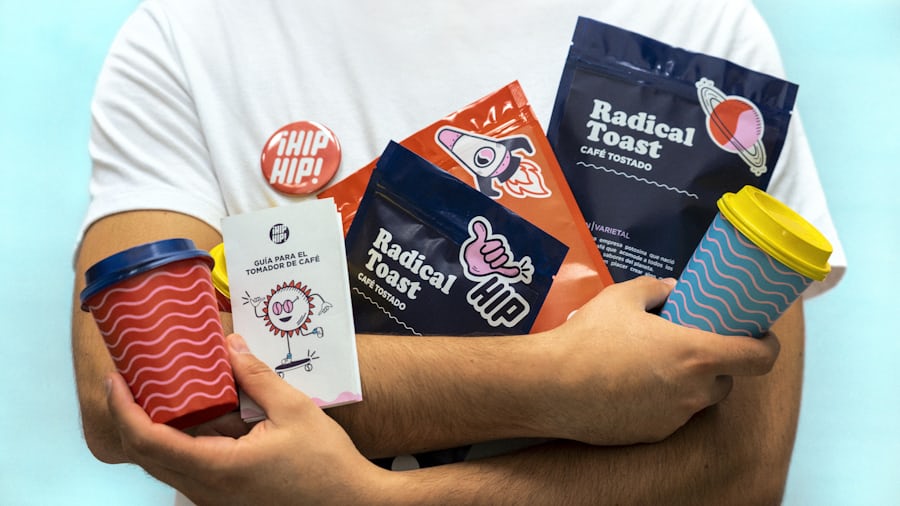
Trust is the conversion variable that determines everything else. A visitor who doesn't trust the site won't complete a purchase, submit a lead form, or book a consultation — regardless of how compelling the offer. Trust is communicated visually through design consistency, typographic professionalism, and attention to interaction details that users feel but rarely consciously notice.
First impressions are notoriously resistant to revision. Research in behavioral psychology consistently shows that initial assessments made from visual information are difficult to override, even with strong subsequent evidence. A website that creates a premium first impression gives every subsequent element — pricing, testimonials, product benefits — the benefit of the doubt. A poor first impression forces every subsequent element to overcome an established deficit.
Conversion rates compound with brand quality. The business that invests in its visual foundation doesn't just see a one-time improvement in its landing page — it sees improvements in email open rates (because the sender is recognized as premium), word-of-mouth referral rates (because the experience is worth sharing), and repeat customer rates (because the digital experience sets the right expectation for the physical one).
Different Industries Need Different Experiences
The biggest mistake businesses make in choosing a website theme is picking based on visual preference rather than strategic fit. A beautiful theme built for a creative agency will underperform for a restaurant — not because it's a bad theme, but because it speaks the wrong visual language for hospitality customers. Industry fit is the first filter.
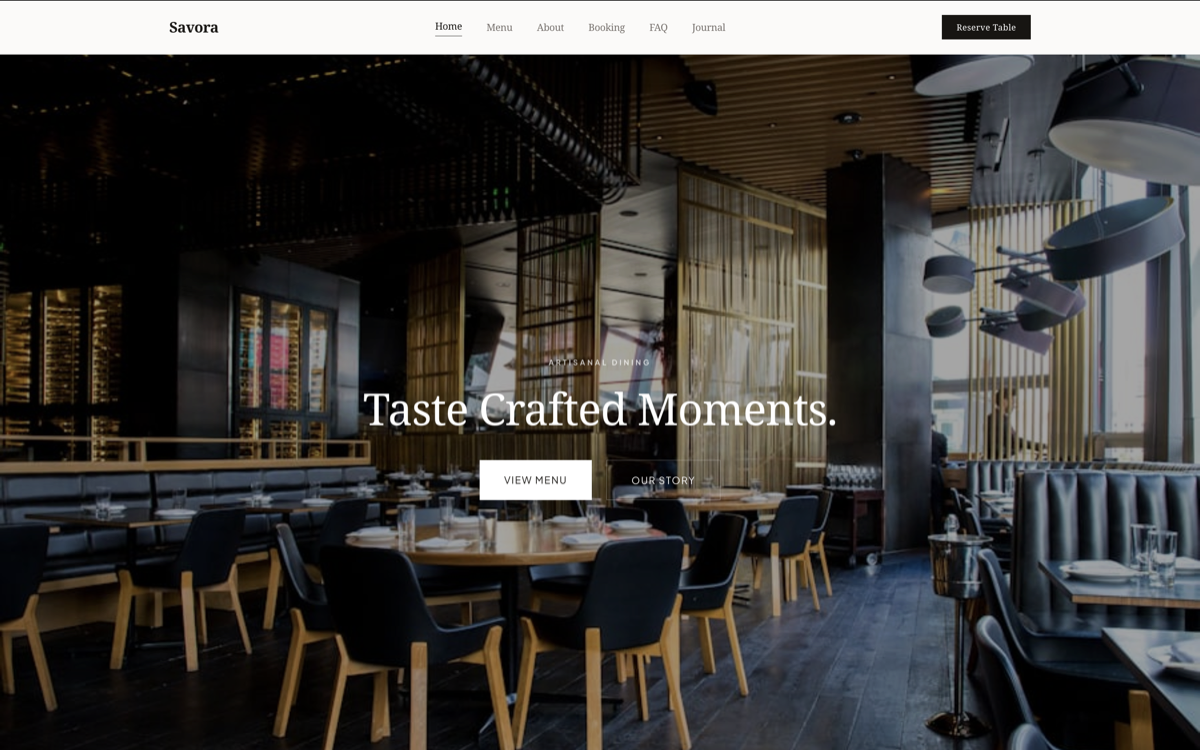
Hospitality
Savora
For restaurants, cafés, and dining brands that demand visual sophistication.
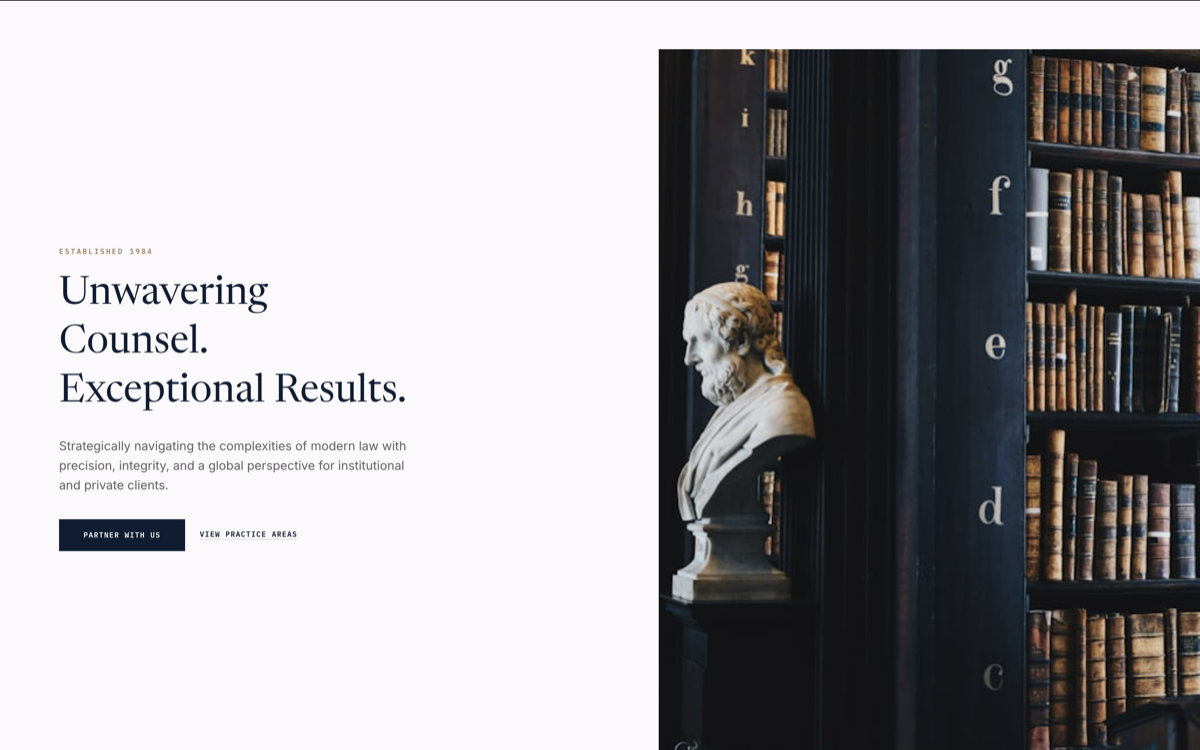
Professional Services
Lexora
For agencies, consultancies, and service firms building credibility through clarity.
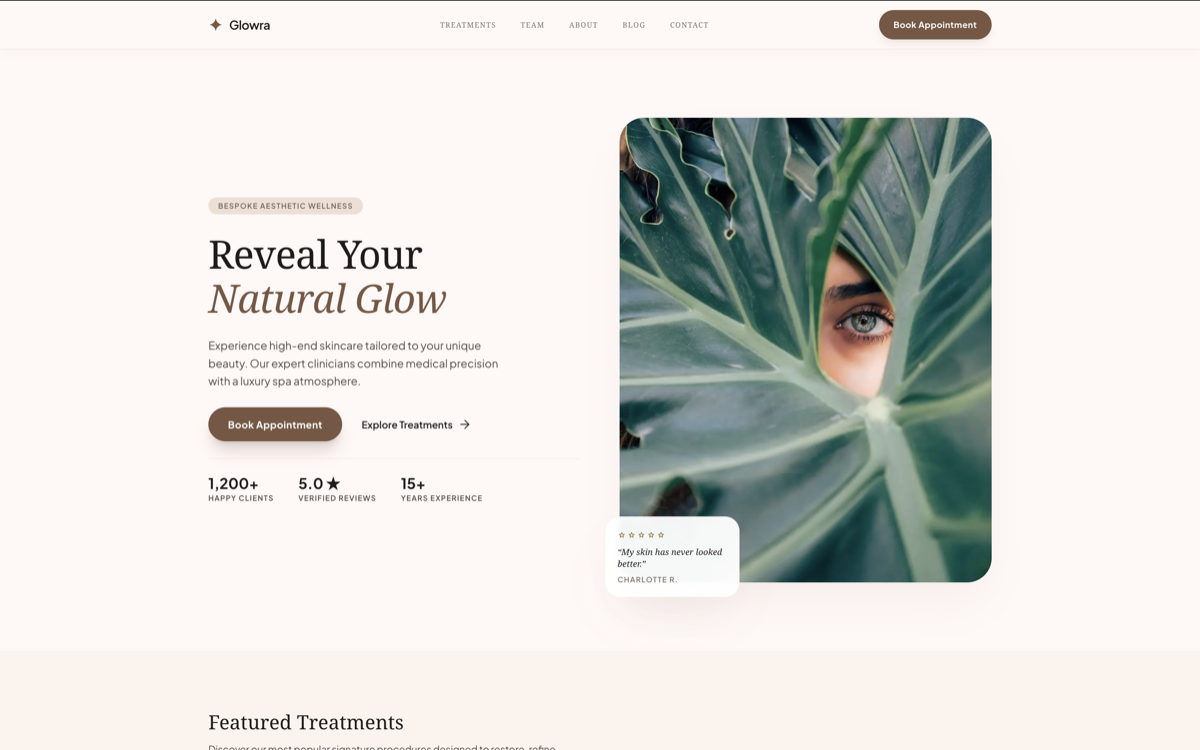
Lifestyle & Beauty
Glowra
For fashion, beauty, and culture brands with a strong visual identity.
Creative & Media
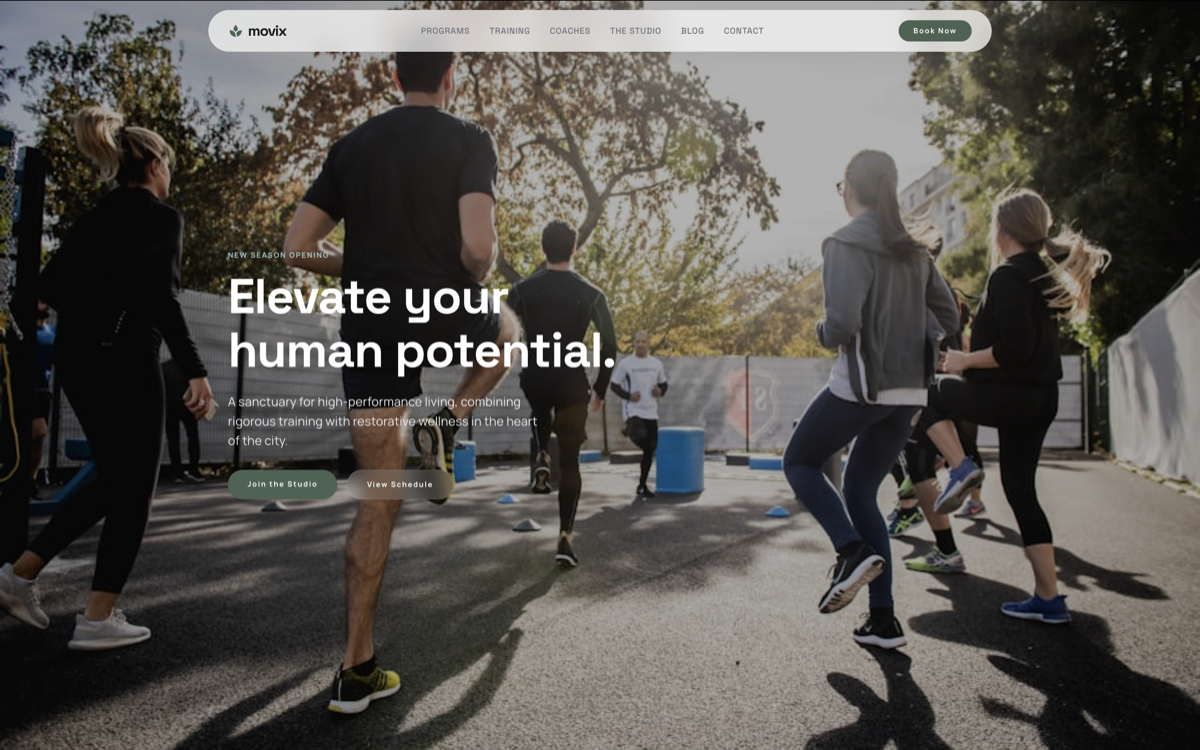
Movix
For agencies, studios, and media companies that need kinetic energy.
Construction & Trade
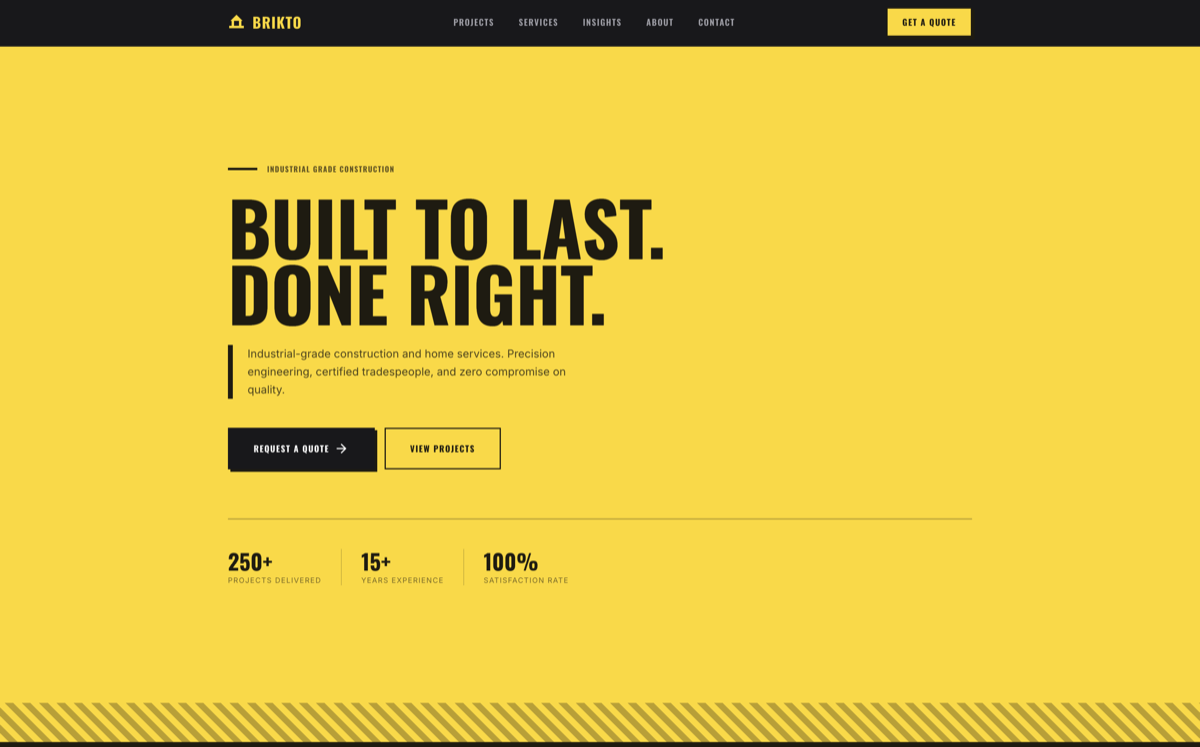
Brikto
For builders, contractors, and industrial businesses prioritizing clarity.
Bold Brands
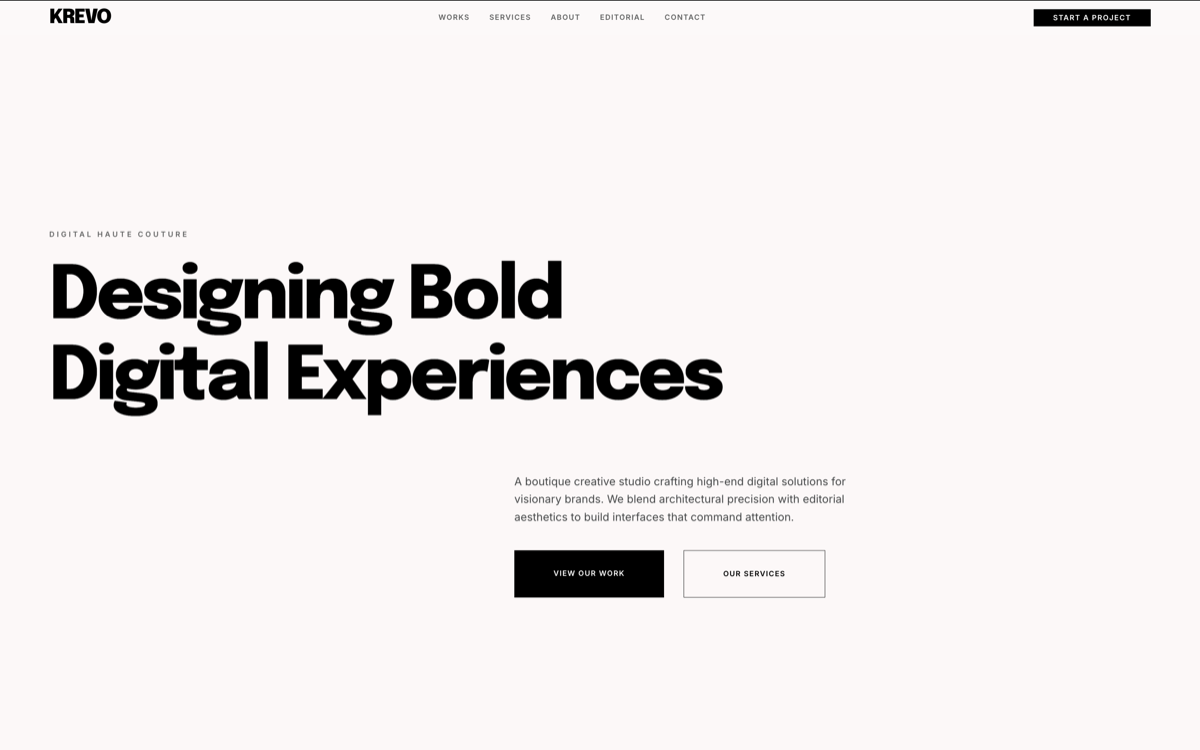
Krevo
For brands that want to stand out with a distinctive, editorial aesthetic.
Why Modern Themes Improve Long-Term Scalability
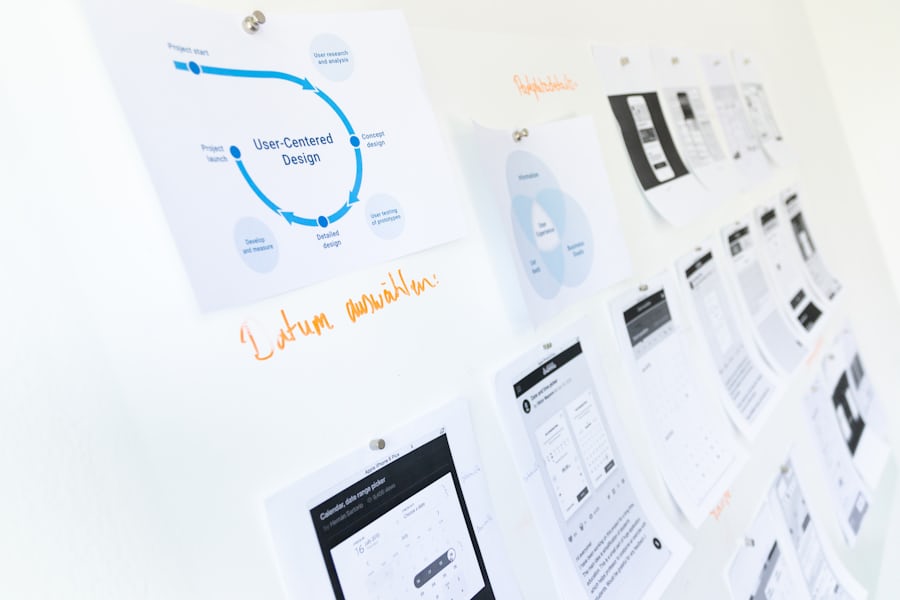
A premium theme built on a proper design system scales without accumulating technical debt. When typography is defined as a system — not a collection of one-off styling decisions — adding new pages maintains visual consistency automatically. When color is managed through semantic tokens rather than hardcoded hex values, rebranding is a configuration change, not a redesign.
Maintainability is undervalued at purchase and overvalued in retrospect. Businesses that choose component-based, design-system-driven themes consistently report lower development costs over time, faster iteration on marketing pages, and fewer visual inconsistencies as the site grows. The theme that seems more expensive upfront is almost always cheaper over three years.
“The right website theme doesn't just look good today — it provides the foundation to grow into tomorrow without starting over.”
Performance at scale is equally important. A theme built with modern optimization practices doesn't degrade as content grows. Image handling, code splitting, and caching strategies that work for 10 pages continue working for 1,000. The architecture of the theme is the architecture of the business's digital future.