Restaurant Website Design Trends for 2026
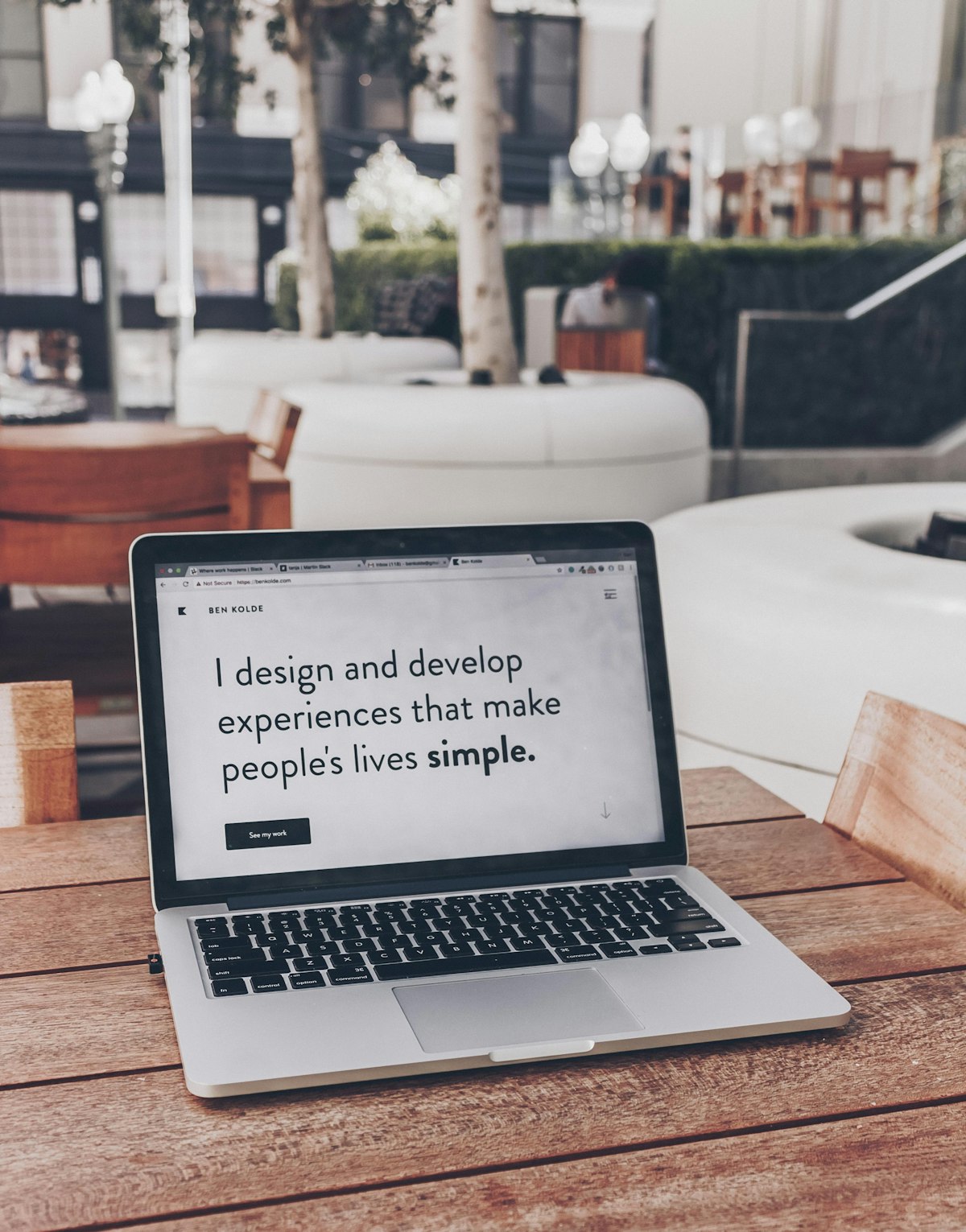
In 2026, the most celebrated restaurant websites share a common trait: restraint. The era of flashy animations, cluttered navigation menus, and multiple competing calls-to-action is giving way to something more considered — design that lets the dining experience itself become the narrative.
Minimal Layouts Are Dominating Hospitality Design
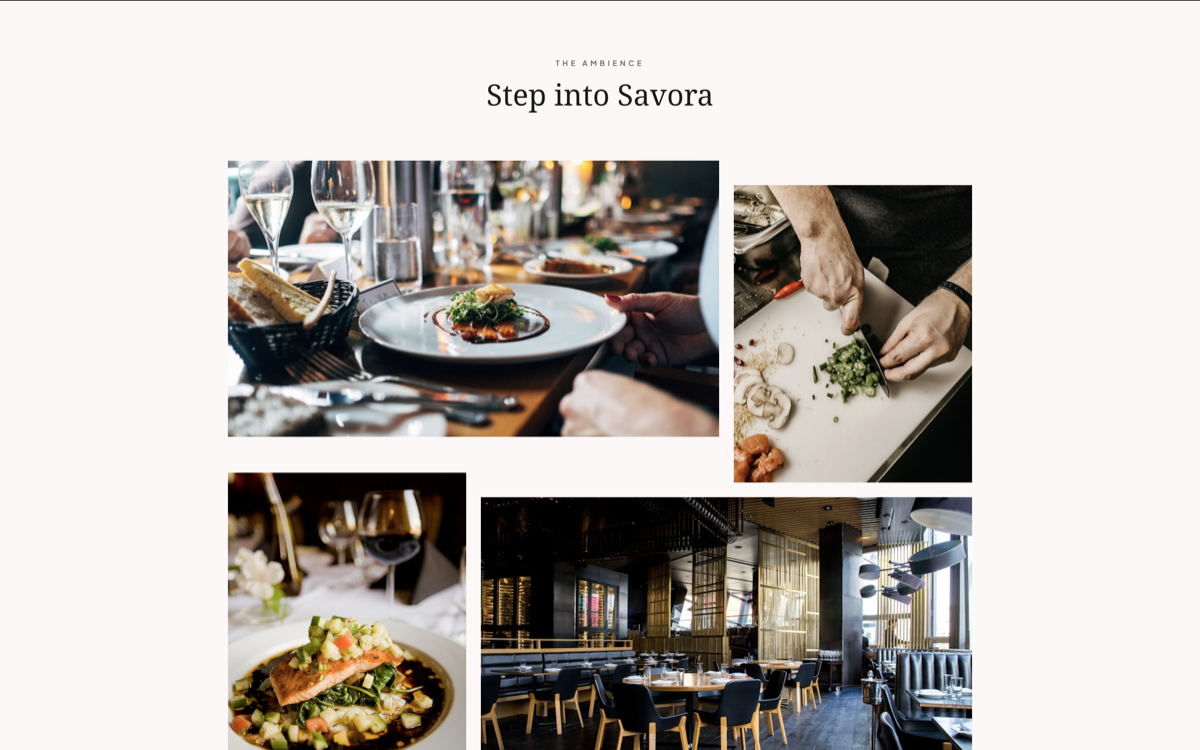
This shift isn't aesthetic fashion — it's rooted in conversion data. Restaurant websites that strip away visual noise see measurably higher engagement with reservation widgets, longer average session duration, and lower bounce rates on mobile. When a site loads instantly and presents a single clear action — Reserve a Table — customers respond.
Premium typography is the backbone of this movement. A carefully chosen typeface communicates brand personality before a single word is read. Serif fonts suggest heritage and refinement; geometric sans-serifs communicate modern sophistication. The restaurants mastering digital presence in 2026 treat font selection with the same precision as menu design — because it sets the same expectation of quality.
Generous whitespace isn't emptiness — it's confidence. Space between elements creates hierarchy, guides the eye, and communicates that a brand has the restraint to let its product speak. Hospitality brands leading this trend allow food photography to dominate, keep navigation to three or four items, and position the reservation CTA as an architectural decision, not an afterthought.
Mobile-First Dining Experiences
More than 70% of restaurant website visits happen on a mobile device, often in the moments before a dining decision is made. This reality has fundamentally changed how successful restaurant websites are built. The mobile experience is no longer an adaptation of the desktop site — it is the primary experience.
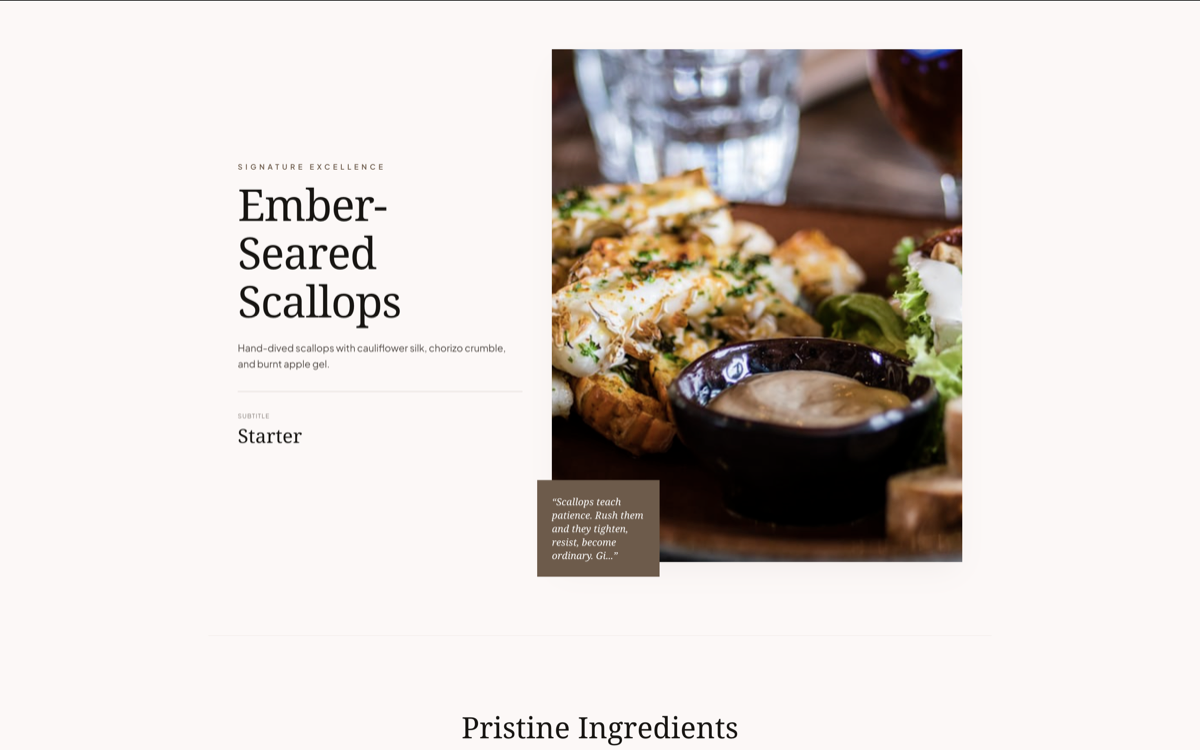
Mobile booking UX requires frictionless flows. The path from landing page to confirmed reservation should require no more than three taps. Single-field search, prominent CTAs above the fold, and click-to-call phone buttons are table stakes. What separates the best from the rest is how gracefully these elements integrate with the visual identity of the brand — booking should feel like an extension of the dining experience, not a departure from it.
Micro-interactions matter more on mobile than anywhere else. A subtle animation when a date is selected, smooth page transitions between sections, and properly sized touch targets all contribute to the perception that the digital experience is as premium as the dining room itself.
Why Fast Websites Matter for Restaurants
Every second of load time costs restaurants bookings. Google's research consistently shows that pages loading in under 2 seconds convert at significantly higher rates than those taking 4 seconds or more. For restaurants competing in dense urban markets — where customers make quick decisions between multiple options — a slow website is a missed table.
SEO benefits are equally compelling. Page experience signals — Core Web Vitals scores like LCP, CLS, and FID — directly influence restaurant visibility in local search results. A beautifully designed but slow website will consistently lose to a faster competitor in “restaurants near me” searches. Performance is an organic search strategy.
“A slow website is the digital equivalent of a long wait at the door — it tells the customer the experience ahead won't be worth their time.”
Modern image optimization — serving WebP format, lazy-loading below-the-fold photography, and using responsive image sizes — is the single highest-impact technical improvement most restaurant websites can make. When combined with a framework like Next.js that handles this automatically, performance becomes a built-in advantage rather than an afterthought.
Premium Restaurant Themes Built for Modern Brands
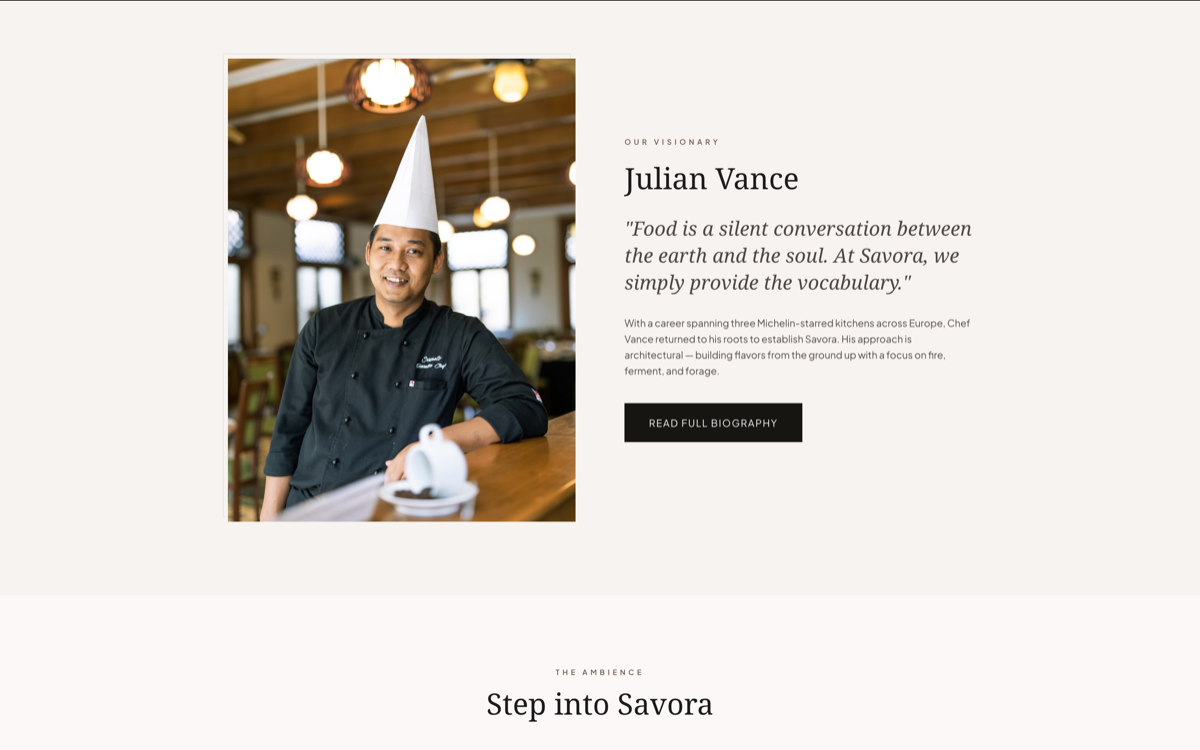
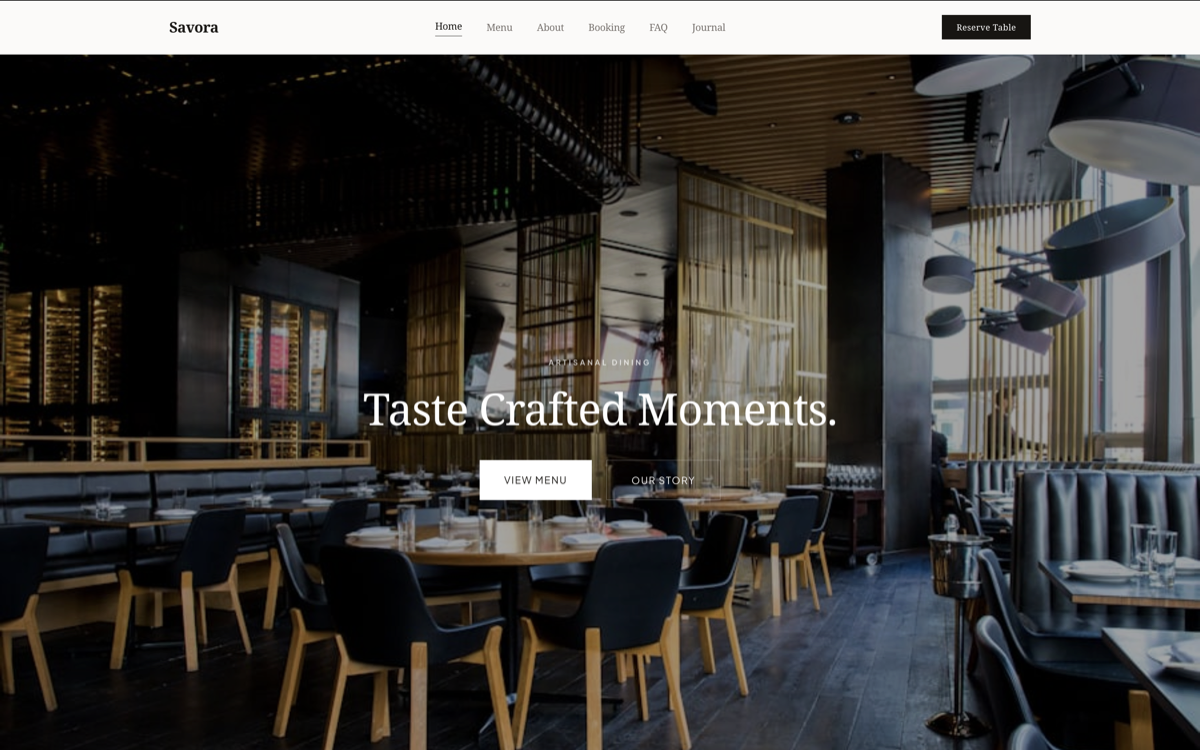
Savora is the theme we built specifically for modern restaurant and hospitality brands. It combines the visual language of luxury dining with the technical performance that matters in 2026. Every layout decision prioritizes reservation conversion while honoring brand experience. The mobile booking flow is optimized for single-session conversion — from landing to confirmed reservation in under 30 seconds.
Explore Themes
Premium themes for hospitality & beyond
Architectural-grade storefronts engineered for performance and conversion. Each theme is purpose-built for a specific brand category.
BROWSE ALL THEMESarrow_forward