The Problem With Generic Website Templates

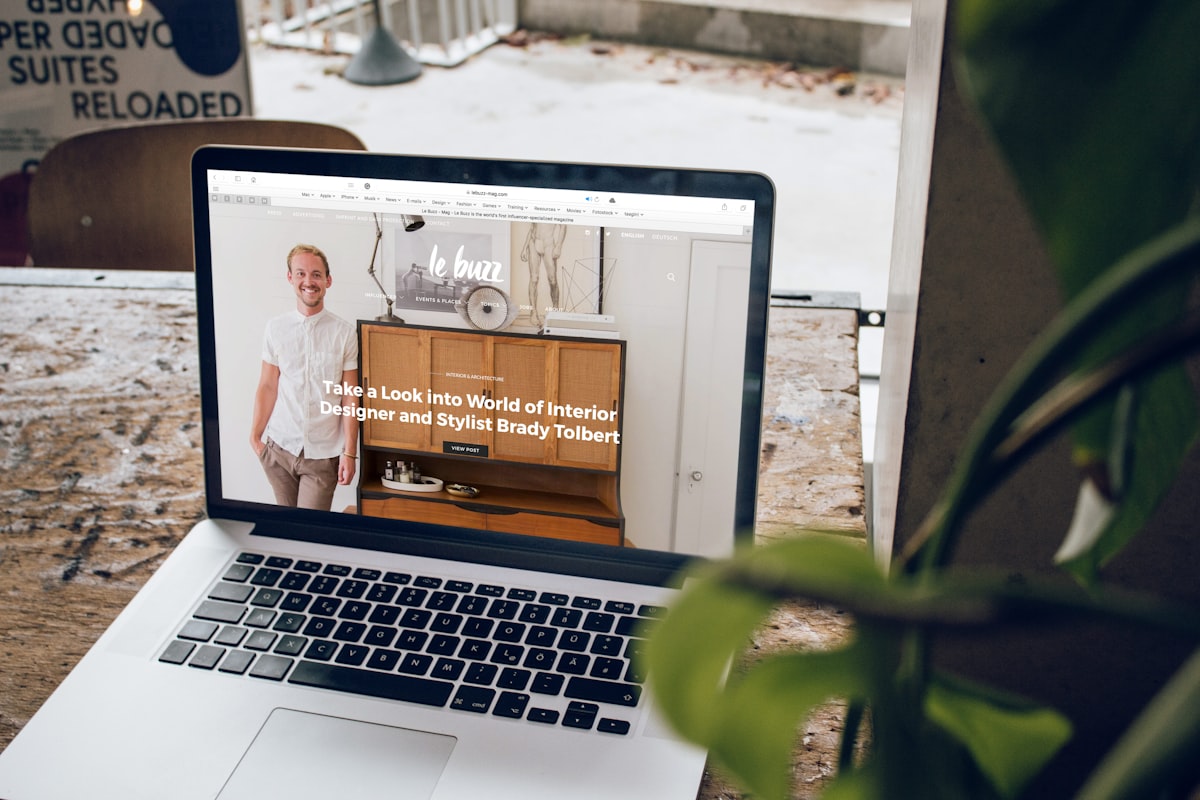
Browse any major template marketplace and a pattern emerges immediately: the featured templates all look surprisingly similar. Bold full-screen headers with overlaid text, a three-column features section with icons, a testimonials carousel, a pricing table, and a footer packed with links to pages that don't exist yet. This isn't design — it's template theater.
Most Templates Try to Do Too Much
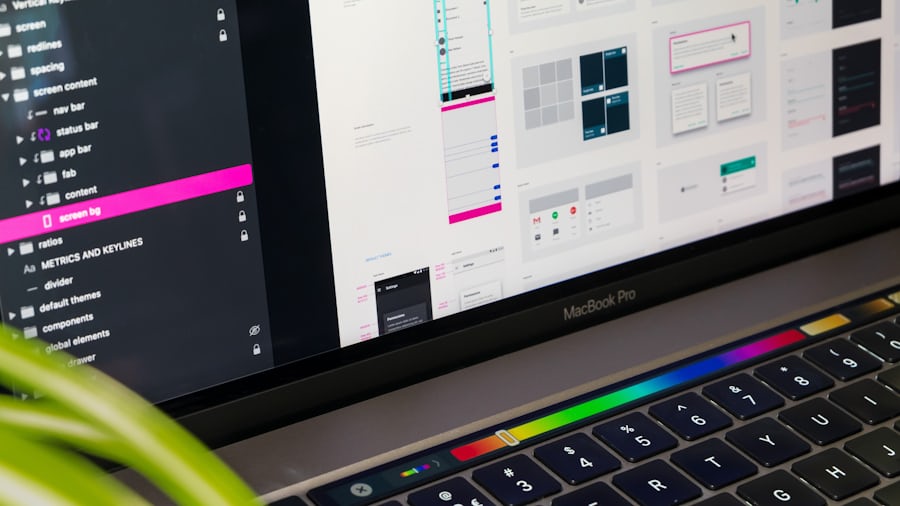
The fundamental problem with generic templates is their design-by-committee architecture. Every imaginable feature has been included because some subset of buyers might want it. The result is interfaces bloated with navigation items, sections that serve no conversion purpose, and visual inconsistency that accumulates as users click deeper into the site.
Inconsistent styling is the tell. Generic templates typically combine multiple icon sets, use 4–6 different font weights without typographic logic, apply inconsistent border-radius values across components, and blend colors that were never designed to coexist. Each individual element might look acceptable in isolation, but together they create visual noise that subconsciously erodes trust — and trust is the conversion variable that matters most.
Maintenance debt compounds this problem. A generic template ships with dozens of components, dozens of page templates, and plugin dependencies that need individual updates. The complexity that seemed like flexibility at purchase becomes a liability every time a theme update breaks a customization or a plugin conflict surfaces without warning.
Premium Themes Focus On Experience
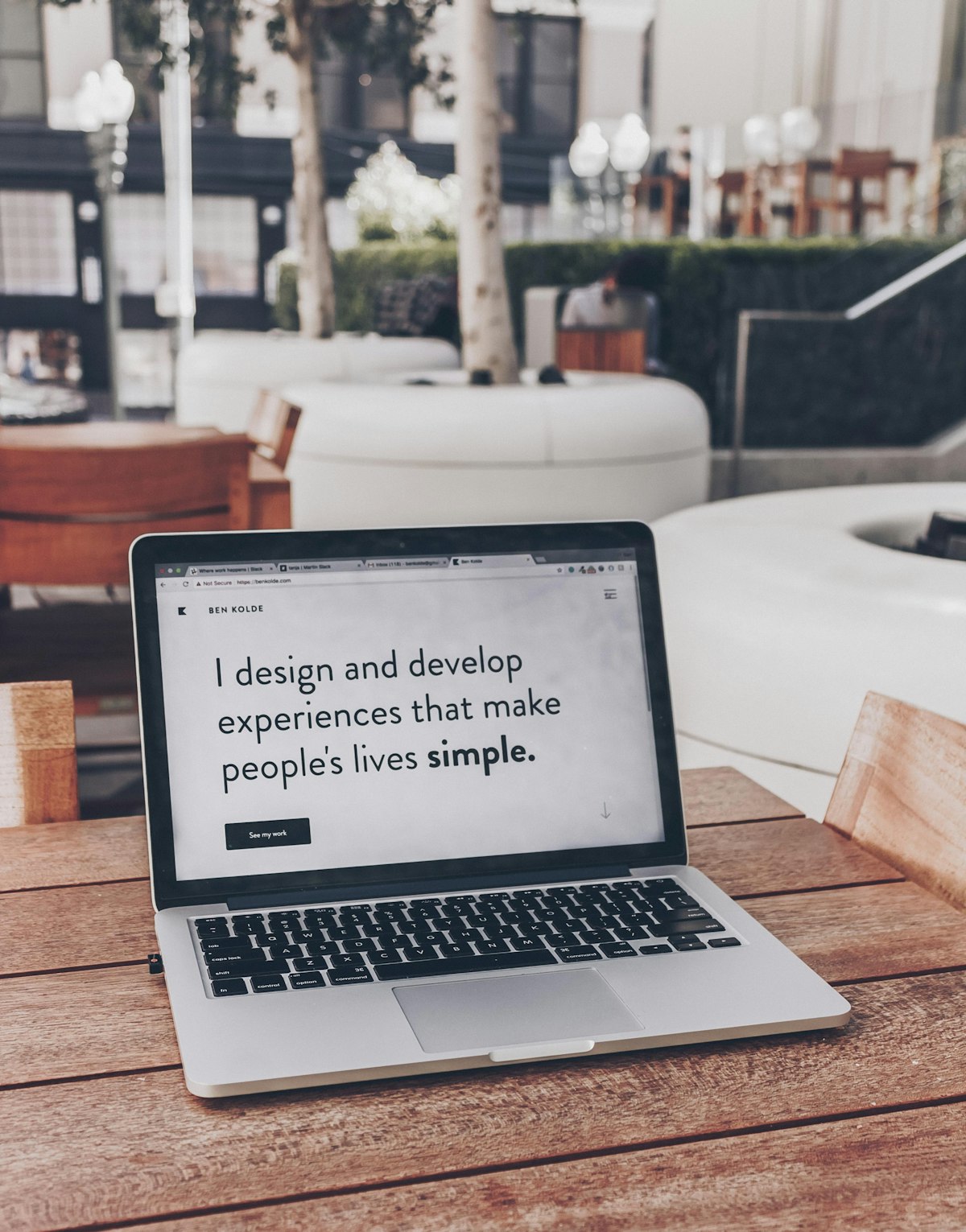
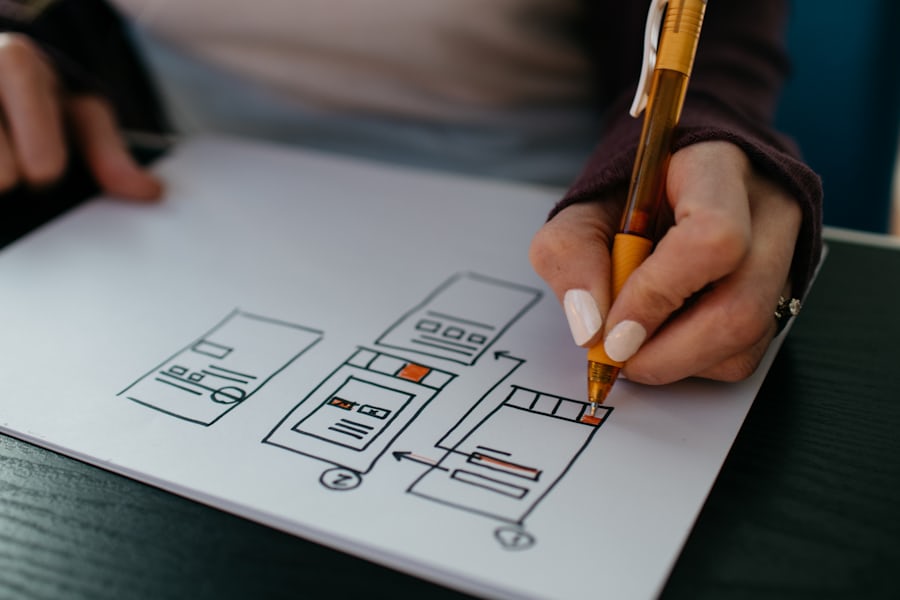
A curated premium theme begins with a different question. Not “what features do users expect?” but “what experience do we need to create?” This inversion changes everything. Features are chosen because they serve the experience — not because they're expected.
Conversion-focused layouts are architecturally different from generic templates. Every element earns its position by contributing to the primary user goal. Secondary information exists to support the decision, not to distract from it. The visual hierarchy is engineered to guide the eye naturally toward conversion moments — the CTA, the product, the reservation, the contact form.
“Premium design isn't about adding more — it's about having the confidence to take away everything that doesn't serve the experience.”
Modern UX in premium themes treats interaction as a differentiator. Hover states are considered. Transitions are timed to feel responsive without being distracting. Form validation is human-readable. Error states are helpful. These details compound into an experience that feels intentional at every touchpoint — and intentionality is what separates premium from generic.
Why Businesses Need Brand-Focused Design
Trust is the conversion variable that template marketplaces never discuss. Users make unconscious trust assessments within milliseconds of landing on a page. Visual quality, consistency, and intentionality directly influence whether a potential customer believes the business behind the website is legitimate, competent, and worth engaging with.
Brand positioning is communicated as much through visual design as through copy. A premium, restrained aesthetic positions a business in the upper tier of its market. An overcrowded, generic design positions it in the commodity tier — regardless of actual product quality. The website is the first product customers experience, and it sets expectations for everything that follows.
Differentiation becomes increasingly important as more businesses move online. In any competitive category, the businesses that invest in distinctive, premium digital experiences stand out immediately from those using the same generic template as their competitors. The market rewards visual distinctiveness — and generic templates make distinctiveness structurally impossible.
Choose Differently
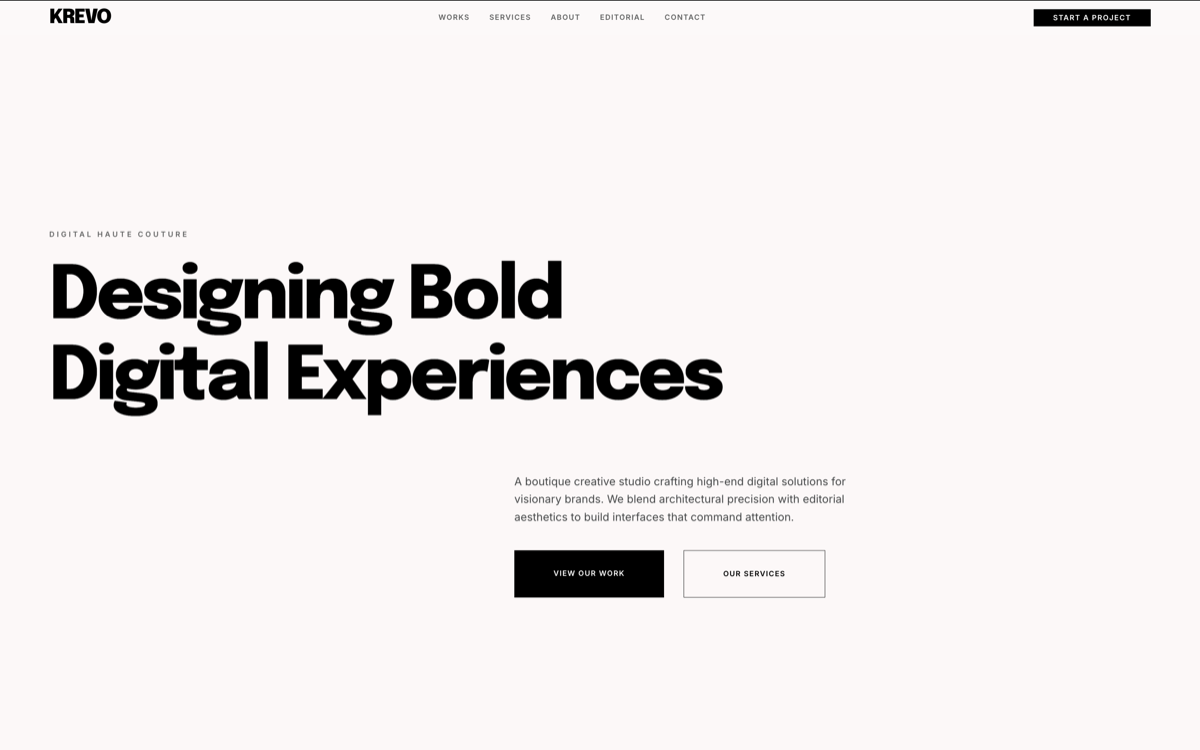
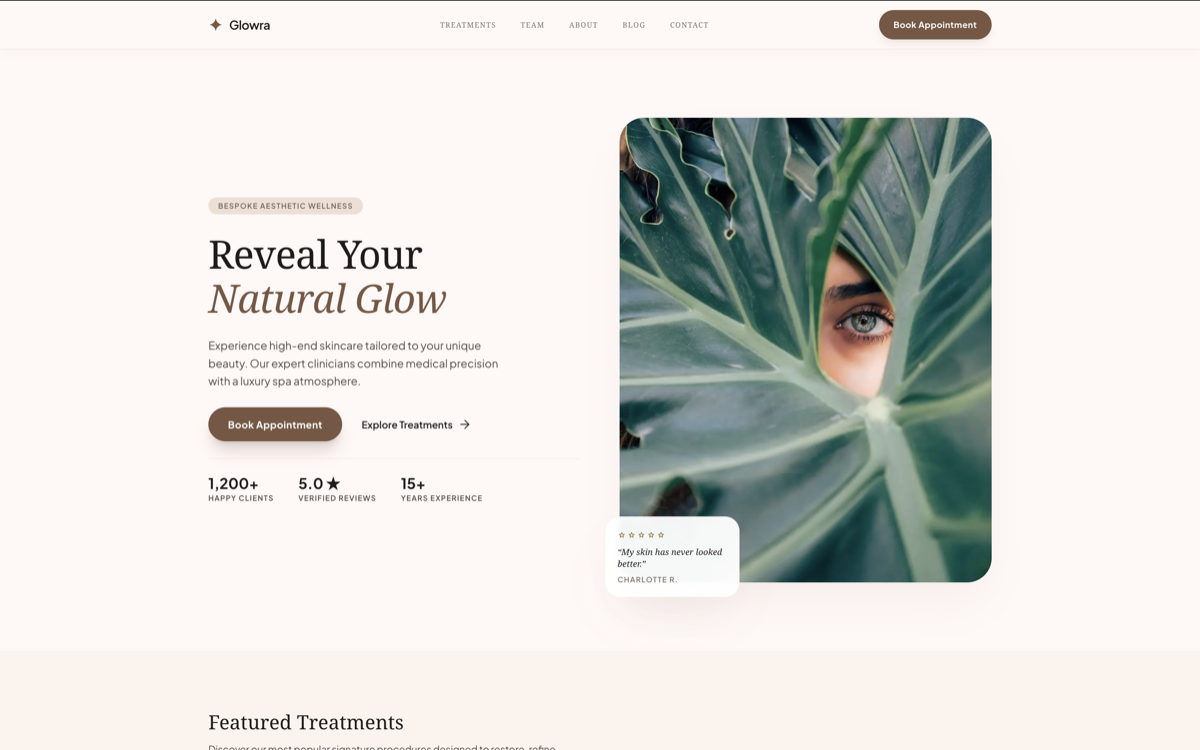
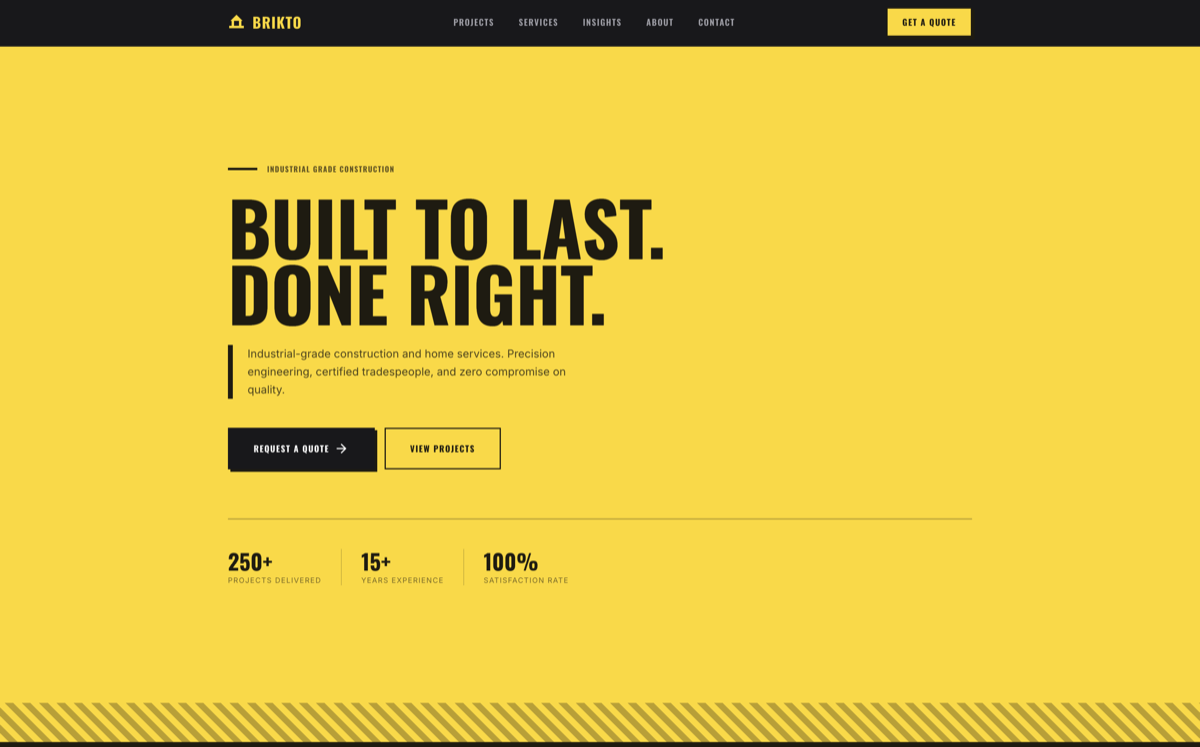
Themes built for brand-focused businesses
Each Layero theme is purpose-built with a specific brand category in mind — not designed to fit every business and, consequently, suit none.
BROWSE ALL THEMESarrow_forward