Best Korean Beauty Ecommerce Website Examples (And What Makes Them Convert)
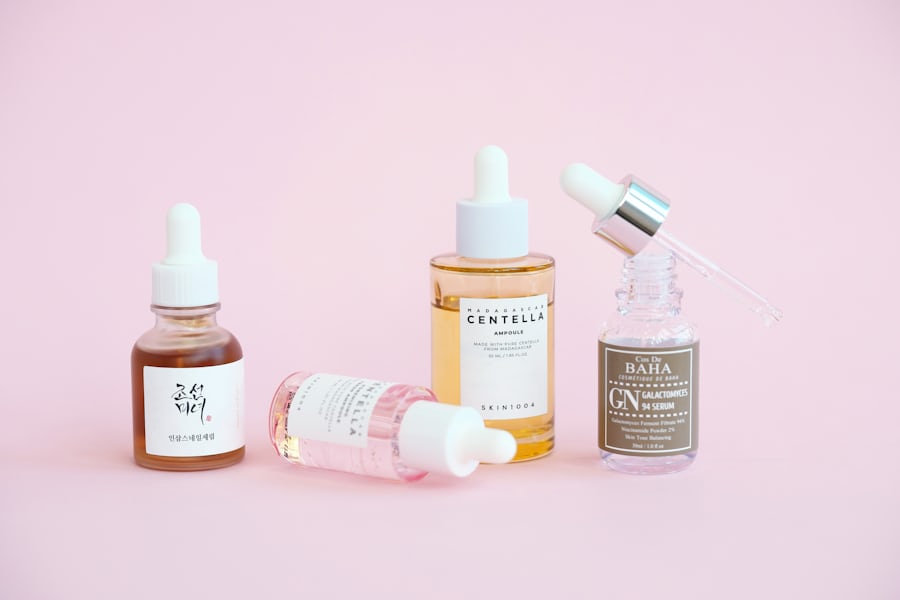
Korean beauty is no longer a niche market. K-beauty has become a $13 billion global industry, with double-digit growth in Western markets driven by a customer base that is more educated, more ingredient-aware, and more loyal than almost any other product category in ecommerce. These customers research before they buy — they read ingredient lists, watch ingredient breakdowns, and compare routines obsessively. The ecommerce store that earns their trust earns repeat business for years. Getting the design right is not optional; it is the primary conversion lever in this market.
What Makes a K-Beauty Ecommerce Store Actually Convert
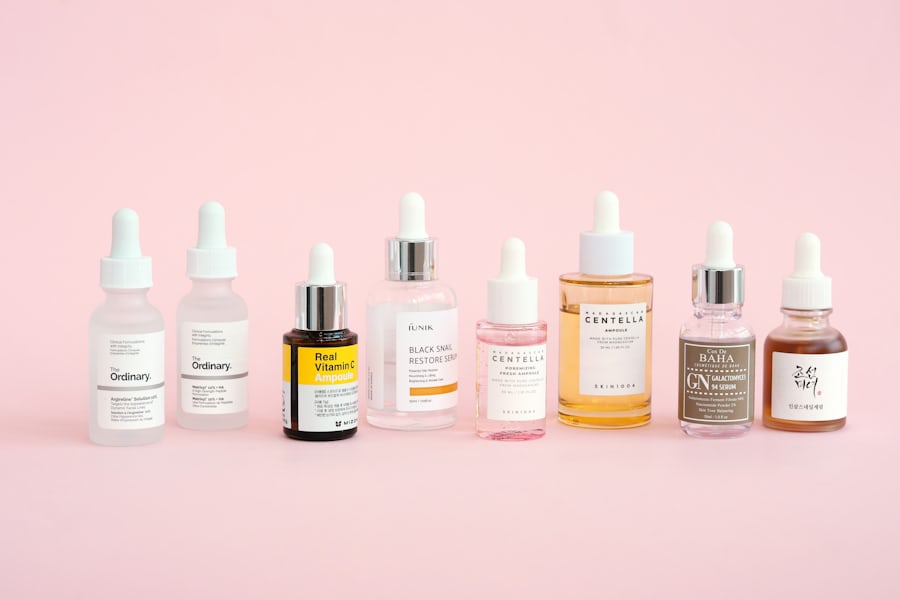
K-beauty customers make purchase decisions differently from typical ecommerce shoppers. They are not primarily motivated by brand recognition — they are motivated by formula transparency, skin concern matching, and community validation. A K-beauty store that leads with ingredient lists, skin type filters, and concern-based navigation converts significantly better than one organised by brand or price. The product page architecture matters as much as the product itself.
Visual density is a deliberate design choice in successful K-beauty stores. Unlike luxury categories where whitespace conveys exclusivity, K-beauty customers expect rich product information presented clearly and quickly. Multiple product angles, ingredient highlights, routine compatibility indicators, and skin type tags all improve time-on-page and reduce return rates — because customers who understand what they're buying return less often and recommend more often.
Routine-based cross-selling is the single most effective conversion tool in K-beauty ecommerce. Customers who buy a serum want to know which toner to use before it and which moisturiser to layer over it. Stores that surface routine pairings — “complete this routine” or “frequently bought together for dry skin” — see average order values 40–60% higher than stores with standard “related products” implementations.
“K-beauty customers are the most research-driven shoppers in ecommerce. The store that gives them the information they need fastest wins the sale — and keeps them for years.”
Must-Have Features for a Korean Beauty Online Store
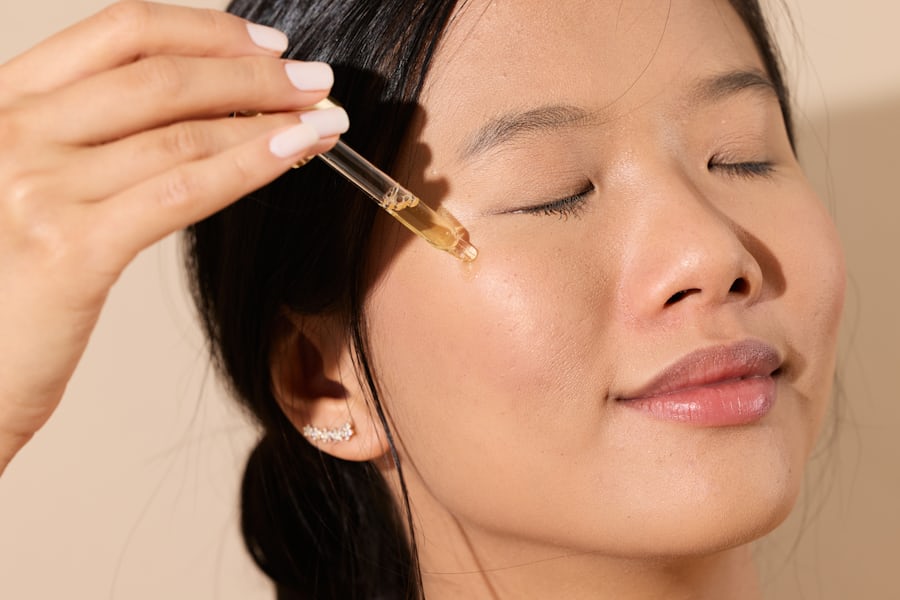
Skin concern filtering is the most important navigation feature in K-beauty ecommerce. Customers who arrive searching for “hydration” or “brightening” need to reach relevant products within two clicks — not browse a full catalogue and guess. A filtering system that combines skin type (dry, oily, combination, sensitive) with concern (acne, aging, hyperpigmentation, hydration) with product step (cleanser, toner, serum, moisturiser, SPF) outperforms any standard category structure by a measurable margin.
Wishlist functionality is essential in K-beauty because the purchase cycle is longer than most categories. Customers discover products through social media, save them for research, compare alternatives, and buy days or weeks later. A wishlist that persists across sessions and syncs with a customer account turns browsers into buyers — and gives you remarketing data at no additional acquisition cost.
Customer accounts with order history and reorder capability are particularly valuable in K-beauty because customers repurchase the same products on a regular cycle — usually every four to eight weeks for serums and moisturisers. A clean account dashboard that surfaces past orders and enables one-click reorder converts repeat purchases that would otherwise require customers to search from scratch.
Koreo: A K-Beauty Ecommerce Template Built for the Category
Koreo is a Next.js ecommerce template designed specifically for Korean beauty and skincare brands. The product page architecture prioritises ingredient transparency and skin concern matching — the two primary decision drivers for K-beauty customers. The filtering system supports multi-attribute filtering across skin type, concern, and product step simultaneously, returning results instantly via client-side filtering without page reloads.
Explore Shop Themes
Beauty & Fashion Ecommerce Templates
Purpose-built for beauty and apparel brands — with the product presentation, filtering, and checkout flow that converts in these categories.
BROWSE ALL SHOP THEMESarrow_forward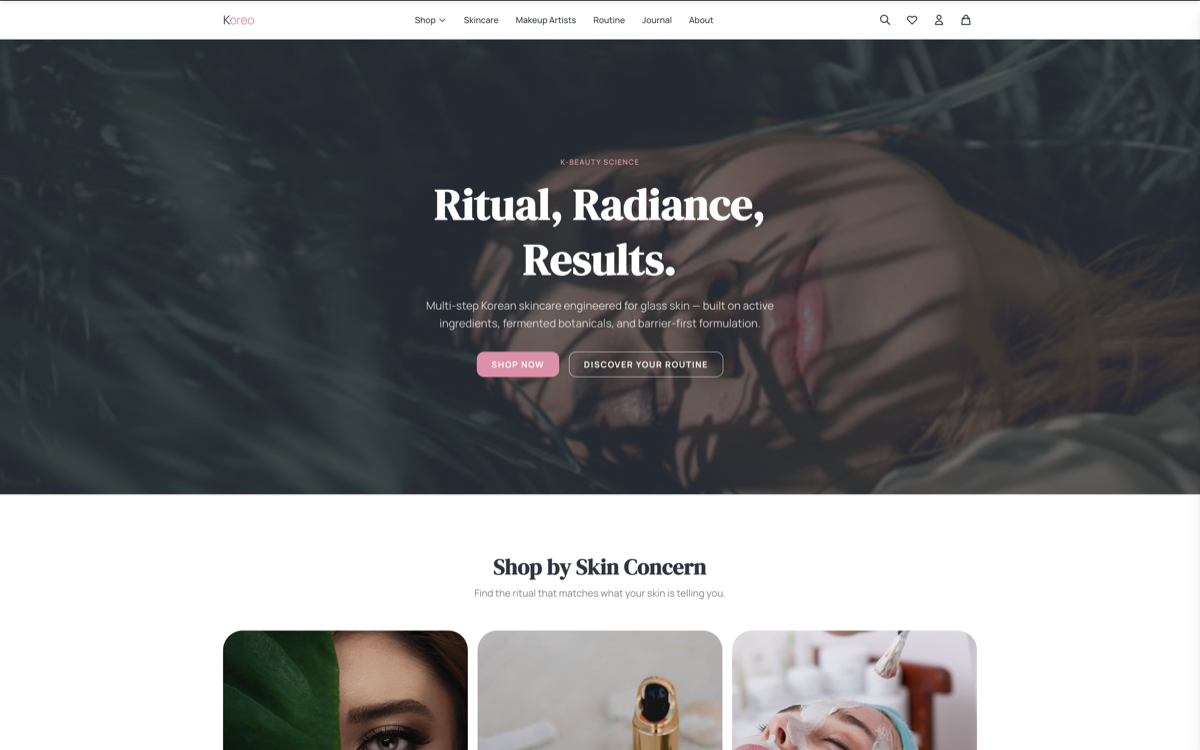
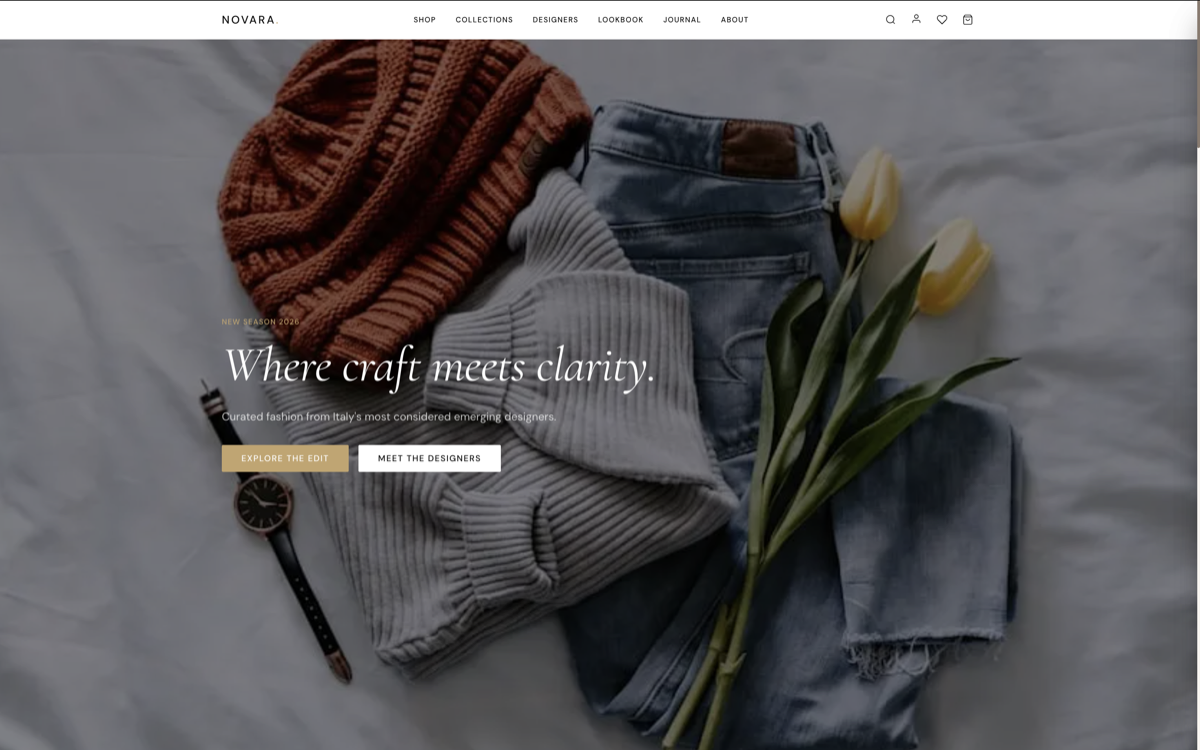
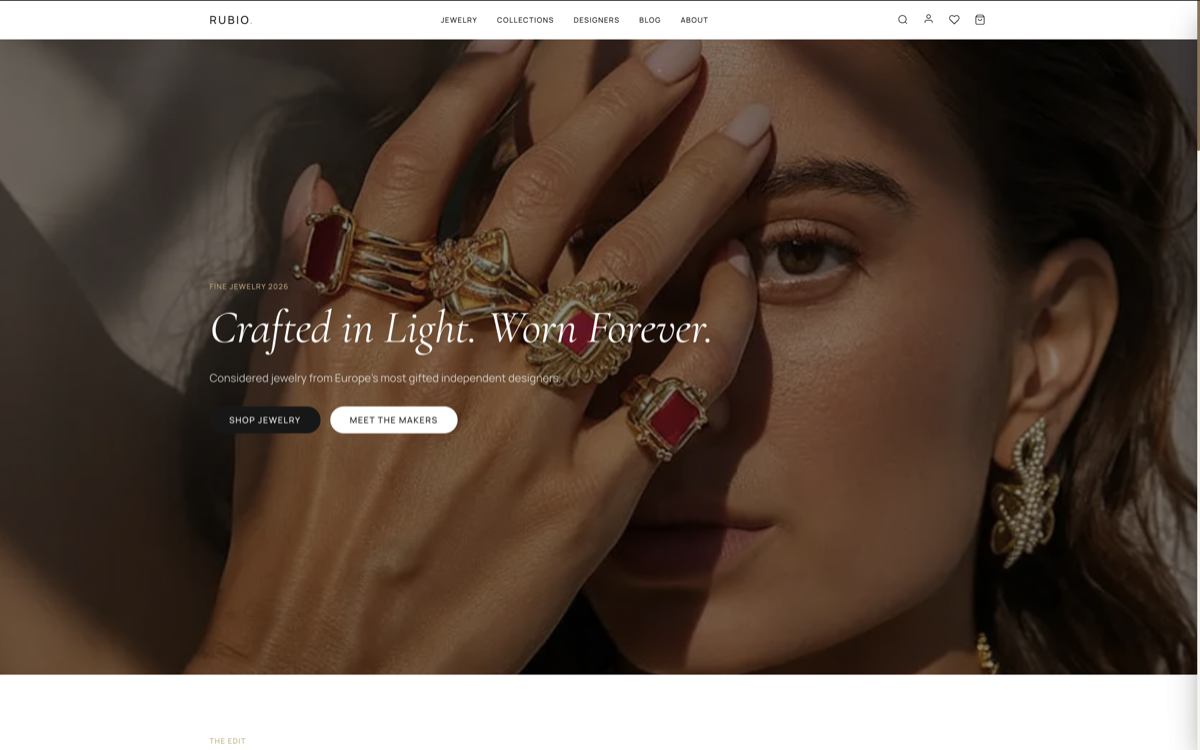
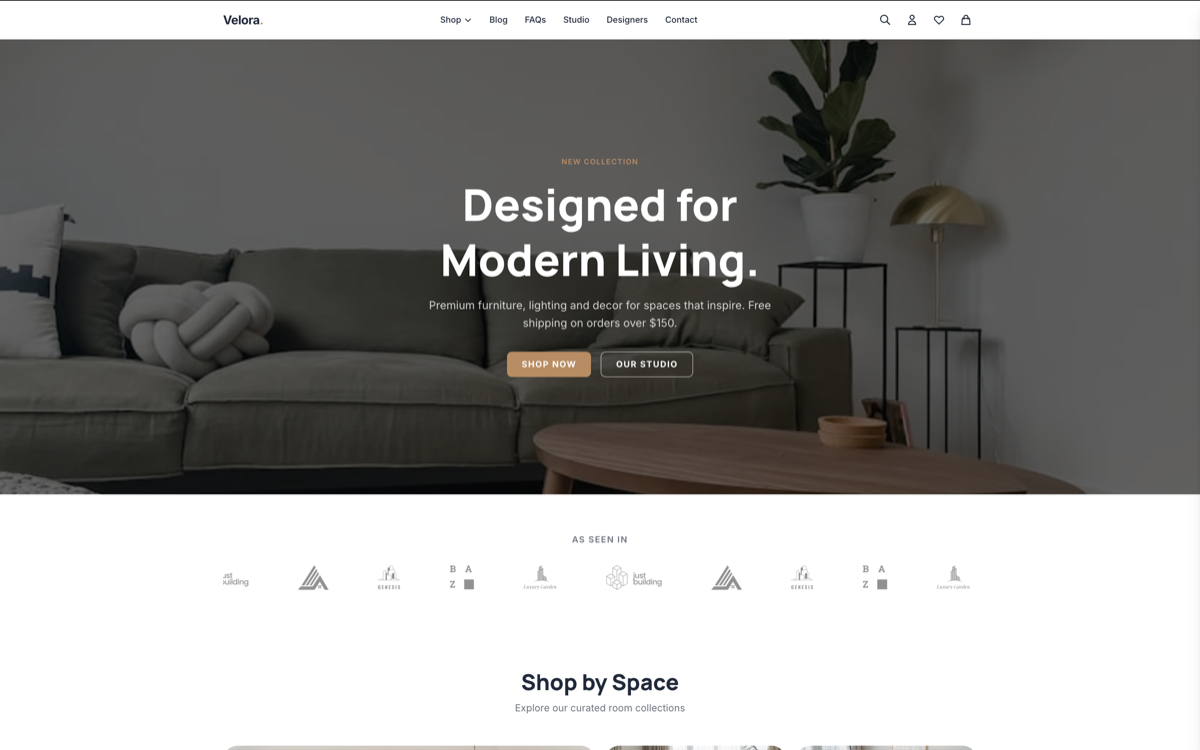
Product Photography and Ingredient Storytelling
K-beauty product photography follows a distinct visual language — clean, bright, often featuring raw ingredients alongside the finished product. A hyaluronic acid serum photographed next to water droplets communicates hydration before a customer reads a word of copy. A niacinamide cream photographed with the ingredient's natural source communicates transparency and formulation quality. This visual shorthand works because K-beauty customers understand ingredient language — your photography should assume that knowledge rather than explain around it.
Ingredient highlight sections on product pages — short, scannable breakdowns of the key active ingredients, their concentration, and their skin benefit — dramatically reduce the time between landing on a product page and adding to cart. Customers who understand the formula buy with confidence. Customers who have to guess buy hesitantly, if at all. The investment in clear ingredient communication pays returns on every transaction, indefinitely.