Best Next.js Website Templates in 2026

Next.js has become the default choice for professional web development in 2026. Fast by default, SEO-ready out of the box, and backed by Vercel's infrastructure — it's the framework that agencies, indie developers, and startups reach for when they need a site that actually performs. The template ecosystem has matured to match: there are now free starters, premium landing page themes, and Stripe-ready ecommerce templates built specifically for Next.js. This is a curated list of the best next.js website templates available right now, with honest assessments of what each is suited for.
Why Next.js Templates in 2026

The argument for Next.js in 2026 is not primarily a developer experience argument — it's a business outcomes argument. Static Site Generation produces pages that load in under a second on mobile. Automatic image optimization eliminates the largest source of page weight in most sites. Zero plugin dependencies remove the maintenance overhead that makes traditional CMS sites expensive to run over time. For businesses choosing a digital foundation in 2026, these are not marginal improvements — they are the difference between a site that converts and one that bounces.
The template ecosystem has caught up. A year ago, the choice was between generic Tailwind starters and overengineered boilerplates. In 2026, there are purpose-built Next.js themes for agencies, portfolios, professional services, and ecommerce — all with the component architecture and performance defaults that make Next.js worth using in the first place. Resources like Vercel's official template gallery and the Shadcn UI blocks library are good starting points for open-source options.
Free Next.js Templates

Free Next.js templates fall into two categories: open-source starters from the community, and free tiers from premium theme marketplaces. The open-source route (Next.js examples repository, T3 stack, create-t3-app) gives you a solid technical foundation but no design to speak of — you're building the UI yourself. The free tier from a premium marketplace gives you an actual finished design at no cost, with the option to upgrade to a fuller version as your project grows.
Layero offers three free landing page themes: Caneva, Krevo, and Brikto. Each is a complete, deployable Next.js theme — not a stripped-down demo. Caneva is the most complete of the three, with a multi-section layout built for creative agencies and portfolios. Krevo focuses on clean typography and minimal structure. Brikto is the most conversion-forward, with a layout oriented around calls to action and lead generation. All three are free to download and deploy.
Premium Next.js Landing Page Themes

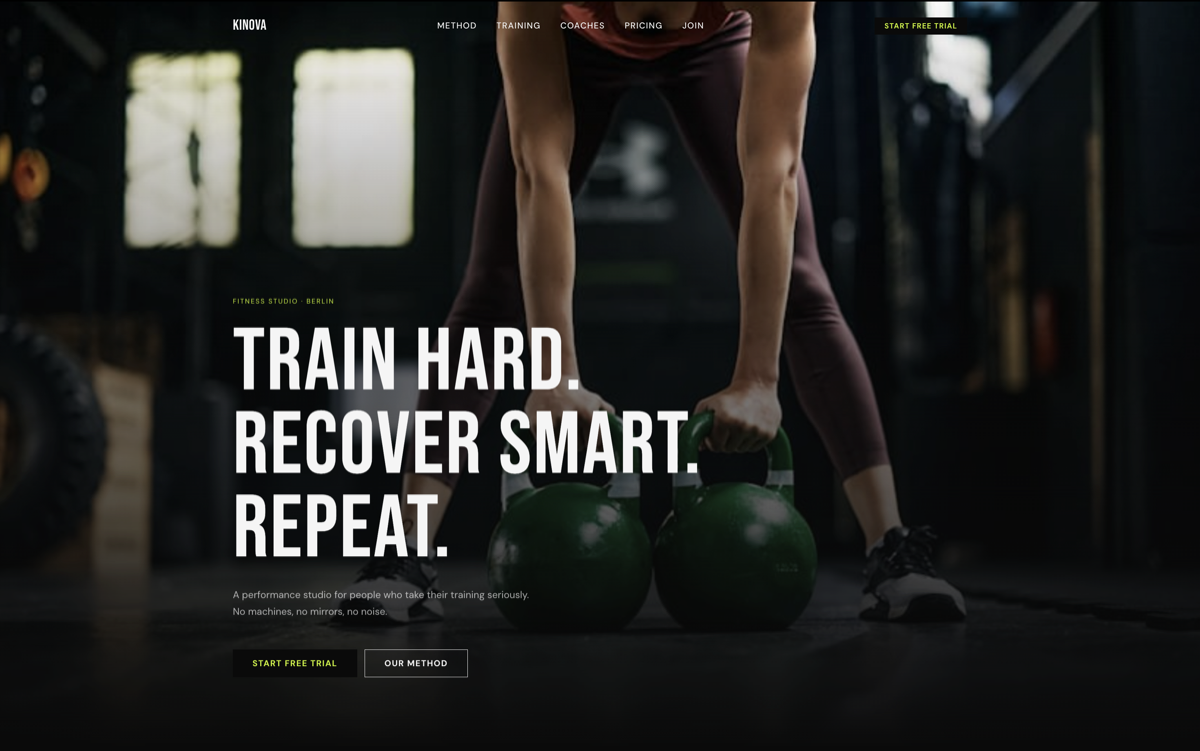
Premium landing page themes justify their cost through design system depth, component variety, and the specificity of their niche targeting. A generic free template can get you live — a premium theme built for your specific industry vertical gets you converting. The best premium Next.js landing themes in 2026 include: Nura for wellness and spa brands, Glowra for beauty and cosmetics, Kinova for professional services, Movix for creative agencies with bold visual identities, and Savora for luxury hospitality.
What separates a genuinely premium theme from a visually polished one is the component system underneath. Premium themes define typography scales, color tokens, spacing systems, and interaction states consistently across every section — not just the hero. This means customizing the theme to your brand is additive work, not rewriting CSS from scratch. It also means pages beyond the home page — pricing, about, contact — maintain visual consistency without additional design effort.
Premium Landing Themes
Next.js landing pages built for specific industries
Purpose-built themes for agencies, portfolios, wellness brands, professional services, and more. One-time purchase, full source code, no subscriptions.
BROWSE ALL THEMESarrow_forward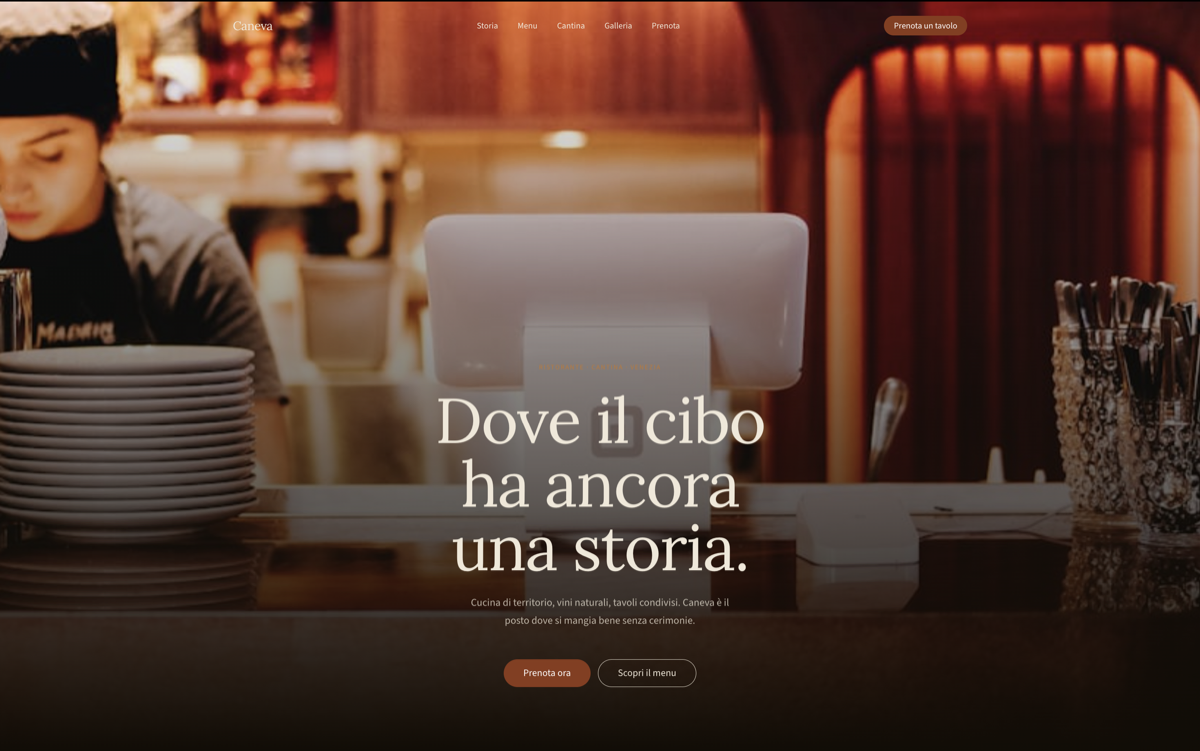


Next.js Ecommerce Templates
Next.js ecommerce templates in 2026 fall into two clear categories: Stripe-integrated one-time purchase themes, and headless commerce setups built on Shopify or Commerce.js. For small businesses and indie sellers, the Stripe-integrated approach is the pragmatic choice — no monthly platform fees, no transaction percentage taken by the platform, and full control over the checkout experience. Layero's shop themes (Velora, Novara, Sinex) are built on this model: Stripe integration included, static generation for product pages, and checkout handled directly without a third-party commerce platform.
For businesses with larger catalogs or specific requirements around inventory and fulfillment, headless Shopify with a Next.js frontend is the mature option. ThemeForest also hosts Next.js ecommerce templates if you need a broader marketplace comparison — though the quality varies significantly. Vercel Commerce is the official headless commerce starter if you want a well-maintained open-source baseline.
How to Choose the Right Template
The most common mistake in choosing a Next.js template is optimizing for visual similarity to your vision rather than structural fit. A template that looks close to what you want but is built on a different section structure will require more rework than a structurally correct template you need to restyle. Evaluate templates by their component inventory first — how many section types, what navigation patterns, how many page templates — and their design system second. Visual details are easier to change than architecture.
Check Lighthouse scores before purchasing any premium theme. A Next.js theme that scores below 90 on Performance has architectural problems that customization will not fix. Similarly, check that the theme uses Next.js Image for all images — manual <img> tags in a Next.js template indicate the developer is not using the framework's optimization defaults. The Tailwind UI component library is a useful reference for what production-quality component design looks like in a Tailwind + Next.js project.
“The right template is not the one that looks closest to your mockup — it's the one built on the architecture your project actually needs.”